Calgary homeowners insulating a garage are usually solving one of three problems: an attached garage that leaks cold into the house, a bonus room overhead that never warms up, or a workshop that needs to stay above freezing through a -30°C snap. The fix looks different depending on which problem you have, and skipping the diagnosis step is why so many garage insulation jobs in Calgary underperform.
An attached garage sharing a wall with a mudroom or laundry room behaves nothing like a detached double-car garage forty feet from the house. Chinooks make it worse — a garage that swings from -25°C to 5°C in 48 hours needs an air-sealed envelope, not just batts stuffed between studs.
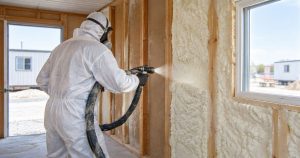
- Closed-cell spray foam hits roughly R-6.5 per inch, the fastest way to handle calgary garage insulation in tight stud bays.
- An uninsulated overhead garage door undoes wall insulation fast — seal it before or alongside the walls, not after.
- Attached garages need air sealing at the shared wall first; insulation without sealing still lets drafts through.
- Aztec Spray Systems installs garage spray foam insulation across Calgary, Okotoks, High River, and Lethbridge in 2026.
- Batt insulation costs less upfront but loses performance faster in an unheated Calgary garage than in a conditioned wall.
Why garage insulation matters for Calgary homeowners
A garage in Calgary isn't a neutral box — it's either helping your home's envelope or actively working against it. If the garage shares a wall, ceiling, or floor slab with living space, an uninsulated garage pulls heat out of the house through that shared surface every winter night, the same way an uninsulated attic pulls heat out through the roof.
Calgary's temperature swings also punish shortcuts. A garage that's fine during a mild November stretch can frost over or condensate once the mercury drops for a week straight. Homeowners who insulate the walls but skip the garage door and overhead door gaps usually find the garage still feels cold, because the largest single opening in the envelope was never addressed.
Garage insulation in Calgary only pays off when air sealing happens before or alongside the insulation material, not after.
Step-by-step: insulating a Calgary garage in 2026
Check your garage's current insulation and air sealing
Start with a walkthrough before buying anything. Many Calgary garages built before the 2000s have partial or zero wall insulation and no air sealing at all.
- Look for gaps at the top plate where garage framing meets the attic space
- Check rim joists for missing, sagging, or crumbling batts
- Feel for drafts at the man door threshold and along the slab-to-wall seam
- Confirm whether the shared wall with the house has any insulation behind the drywall
- Check the overhead door's weatherstripping for daylight gaps at the sides and bottom
Insulate the garage door and overhead door gaps
The overhead door is usually the biggest single source of heat loss in an attached garage, larger than any one wall. Handle this before finishing the walls, because a well-insulated wall next to a leaking door still leaves the room cold.
- Install foam board insulation kits sized to each door panel
- Replace worn bottom seals and side weatherstripping
- Shim and reseal any spot where daylight shows around the frame
- Weatherstrip the man door separately — it gets ignored while the overhead door takes all the attention
- Consider a door with a built-in thermal break if the existing one has none
Choose the right insulation type for your stud bays
Once the shell is sealed, the material choice determines how much R-value you actually get per inch of wall depth — a real constraint in a garage framed with 2x4s.
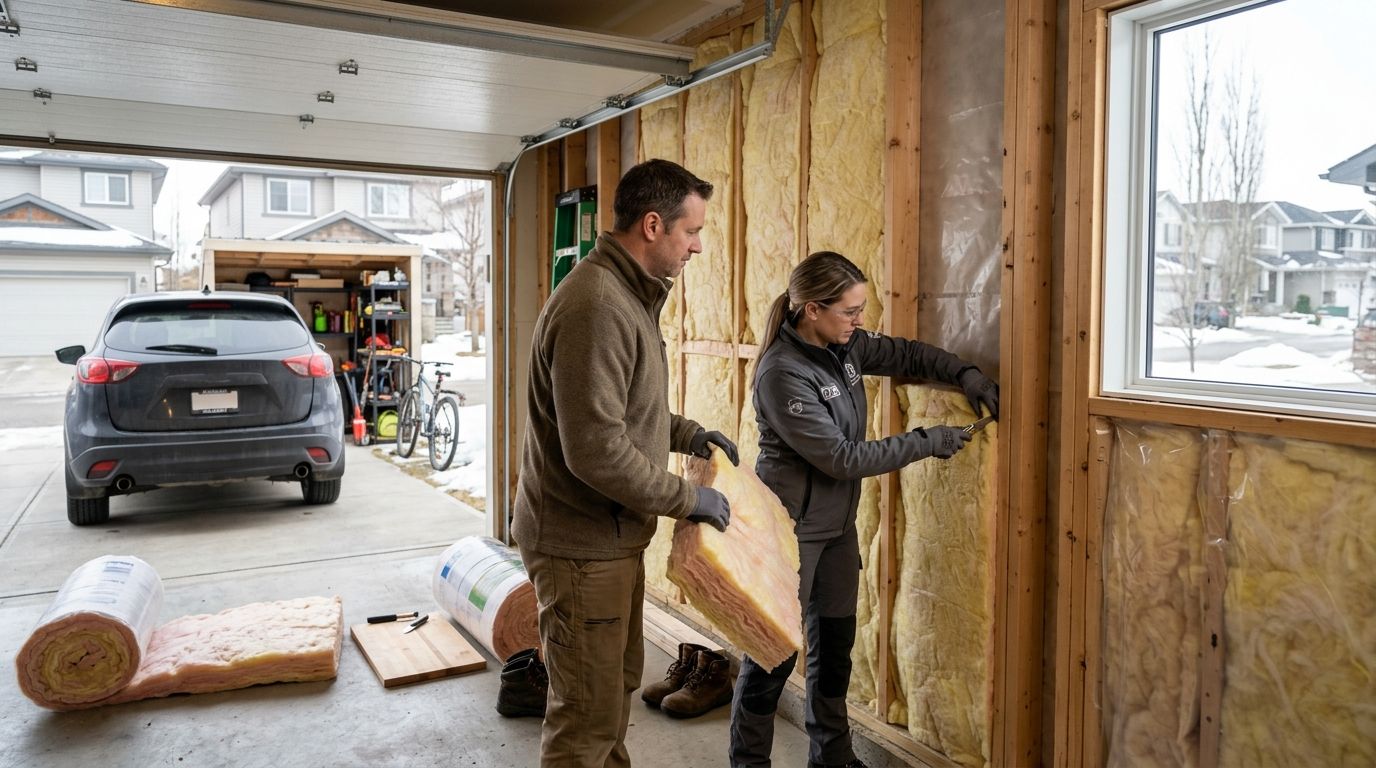
- Fiberglass batt: lowest material cost, but only performs if the cavity is fully air sealed first
- Rigid foam board: works over masonry or existing framing without opening the walls
- Closed-cell spray foam: air seals and insulates in one pass at roughly R-6.5 per inch, the strongest option where the garage shares a wall with living space
- Blown-in cellulose: viable only in open, accessible cavities
- A licensed contractor such as Aztec Spray Systems can confirm which option fits your framing depth and how the garage actually gets used
Seal the rim joists and top plate
This is where most DIY garage insulation jobs fail. The walls look insulated, but air still moves freely through the rim joist and the top plate connection into the attic.
- Foam or caulk every rim joist cavity around the garage perimeter
- Seal the top plate at wiring and plumbing penetrations
- Check for gaps where the garage roofline meets the house roofline
- Close any open chase running from the garage into the attic
Insulate any wall or ceiling shared with living space
If there's a bonus room above the garage, or a laundry room and mudroom sharing a wall, this section is what changes comfort inside the house, not just in the garage.
- Confirm the cavity below the bonus room floor has continuous insulation, not gaps around joists
- Check fire-rated drywall requirements on shared garage-to-house walls
- Seal penetrations for ductwork or wiring running between garage and house
- Add a vapour barrier on the warm side if the assembly doesn't have one
Deal with the garage floor before you finish the walls
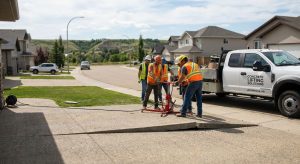
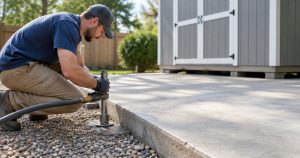
A slab that has settled, cracked, or pulled away from the foundation lets cold air track upward around the perimeter no matter how good the wall insulation is. If the floor has visibly sunk or cracked at the door threshold, treat that as its own job — sealing walls above a compromised slab wastes the effort.
Get pricing and rebate eligibility sorted before you book
Costs vary by garage size, insulation type, and whether the door and floor need attention too. Review current spray foam insulation cost in Calgary figures before comparing quotes, and confirm rebate eligibility before work starts — some programs require pre-approval.
Get a garage insulation quote
Aztec Spray Systems serves Calgary, Okotoks, High River, and Lethbridge.
Comparing garage insulation options for Calgary homes
| Option | Best for | Key limitation |
|---|---|---|
| Closed-cell spray foam | Attached garages sharing a wall with living space | Requires a licensed installer, not a DIY material |
| Fiberglass batt | Detached garages on a tight budget | Underperforms unless the cavity is fully air sealed first |
| Rigid foam board | Masonry walls or garages you don't want to open up | Adds thickness, reducing usable floor space |
| Insulated door panel kit | Any garage with an uninsulated overhead door | Doesn't address wall or ceiling heat loss on its own |
Closed-cell spray foam wins for attached Calgary garages because it air seals and insulates in the same step, which matters most where the garage shares structure with the house. Batt insulation is fine for a detached, occasionally-used garage where budget matters more than performance during a -30°C stretch.
Common mistakes Calgary homeowners make
- Insulating stud bays without sealing the rim joist and top plate first — cold air bypasses batt insulation entirely once it finds a gap at the framing connections.
- Treating the garage door as an afterthought — a fully insulated wall next to an unsealed overhead door still leaves the space cold.
- Under-specifying because it's "just a garage" — a bonus room or shared wall keeps underperforming no matter how well the rest of the house is done.
- Booking work before checking rebate requirements — some Alberta and federal programs require pre-approval, and homeowners who start first sometimes lose eligibility.
- Ignoring a settled or cracked slab — cold air keeps tracking in around the perimeter even after the walls are finished.
FAQ
What’s the best insulation for a Calgary garage?
Closed-cell spray foam is the strongest option for an attached Calgary garage because it air seals and insulates in one step, which matters most where the garage shares a wall with living space. A detached garage on a tighter budget can work with batt insulation if the cavity is fully air sealed first.
Is it worth insulating a detached garage in Calgary?
Yes, if the garage gets used as a workshop or heated storage through winter, since an uninsulated detached garage in Calgary can sit well below freezing overnight. It matters far less if the space stays empty and unheated all season.
Does insulating the garage door actually make a difference?
Yes. The overhead door is usually the single largest source of heat loss in an attached garage, larger than any one wall. Sealing gaps and adding an insulated panel kit addresses that surface directly.
How much R-value does a Calgary garage need?
It depends on whether the garage is attached and shares structure with the house, and on the build year of the home. A licensed contractor can confirm what applies to your framing before recommending a material.
Can I insulate a garage myself or do I need a contractor?
Batt insulation and rigid foam board are DIY-friendly if you air seal first. Closed-cell spray foam requires licensed installation equipment and is not a DIY material.
Do rebates cover garage insulation in Alberta?
Some federal and provincial programs cover eligible insulation upgrades, but eligibility and pre-approval rules vary by program and change year to year. Confirm current terms before booking any work in 2026.
Why is my garage still cold after I insulated the walls?
The usual cause is an unsealed overhead door or an unsealed rim joist and top plate, both of which let cold air bypass wall insulation entirely. A settled or cracked garage slab can also let cold air track in around the perimeter.
One last thing
The garage door gets ignored more than any other part of the envelope, and it's usually the fastest fix available — a weekend of resealing plus a foam board kit changes how the garage feels before a single wall gets touched. Do that first in 2026, then decide whether the walls need spray foam, batt, or nothing at all.
Related guides