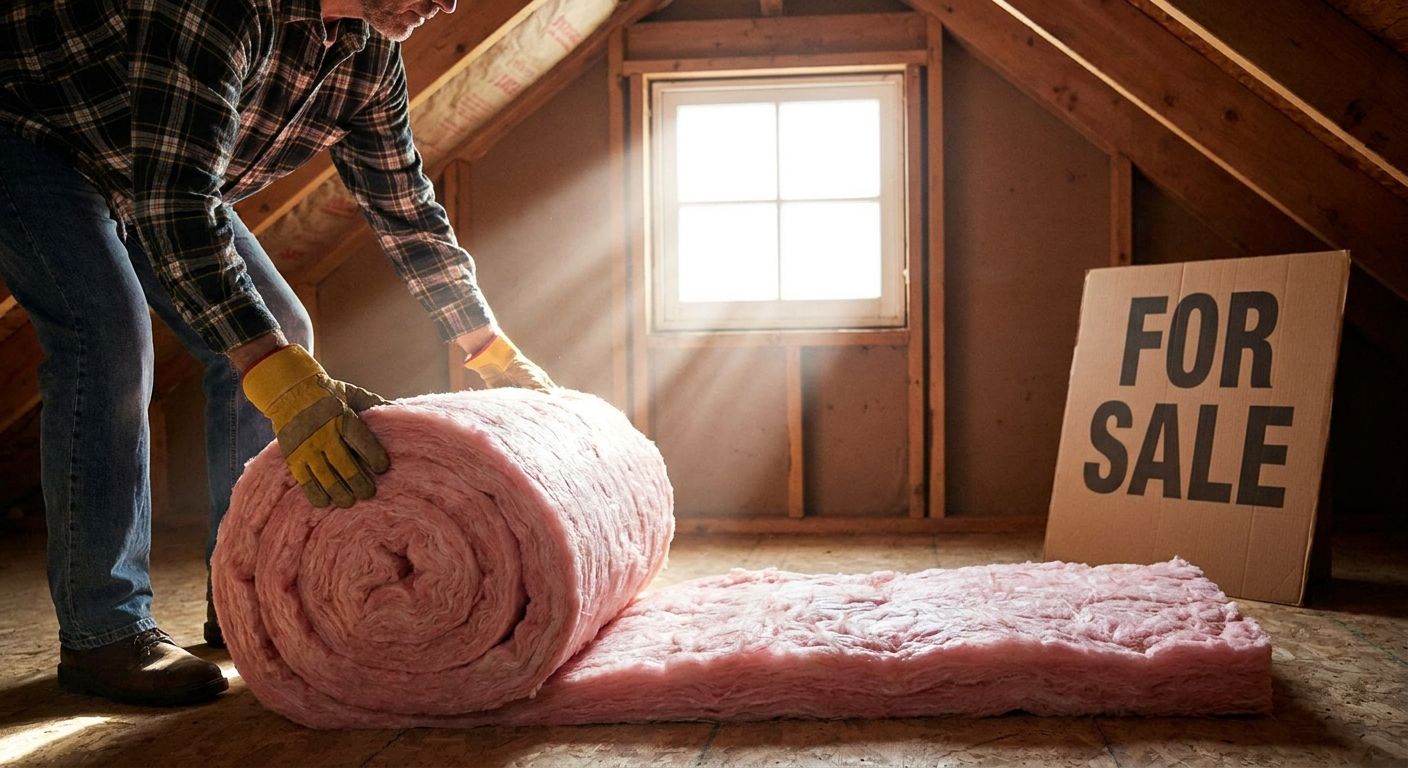
Selling a home in Calgary, Okotoks, High River or Lethbridge means the home inspector will find the attic, the rim joists and the garage before your realtor finishes the listing photos. Insulating a home before selling it means fixing the three things inspectors actually flag — a thin or uneven attic, exposed rim joists in the basement, and gaps around the garage door or a bonus room addition — not repainting a bedroom or buying new throw pillows. Skip these and you're not saving money; you're handing the buyer's inspector a bargaining chip that costs more at the closing table than the insulation upgrade would have.
- Insulate home before selling by starting with the attic — it’s the first thing a home inspector checks and the easiest to see from below.
- R-50 attic insulation is the general benchmark buyers and inspectors expect across most Alberta climate zones in 2026.
- Rim joists and garage walls cost little to fix but show up as ‘inadequate insulation’ notes on inspection reports.
- Spray foam insulation seals air leaks that fibreglass batts miss, which matters more at resale than R-value alone.
- A pre-listing insulation upgrade is cheaper than a post-inspection price reduction almost every time.
Why this matters
A buyer doesn't see insulation. They see a drafty upstairs bedroom, an ice-damn stain on the eaves, or an inspection report with the word "inadequate" next to the attic photo. Any of those three turns into a renegotiation.
Insulation is also one of the few pre-listing upgrades that shows up on paper. An inspector who sees fresh spray foam in the rim joists or a levelled attic depth writes a cleaner report, and a clean report is what keeps financing on schedule and buyers from getting cold feet, literally and figuratively, in the first week of a new Alberta winter.
How do you insulate a home before selling it?
The process is the same whether you're prepping a Calgary bungalow or an acreage near High River — you just work top to bottom, cheapest wins first.
- Get the attic checked first. If insulation depth looks uneven or thin in spots, that's the first repair note an inspector writes. How to know if your attic needs more insulation walks through what a thin or settled attic actually looks like from the hatch.
- Seal and insulate the rim joists. These are the band of wood around the basement ceiling where the house sits on the foundation, and they're a common air-leak point inspectors call out by name.
- Insulate the garage door and any gaps around an attached garage. If the garage shares a wall with living space, an uninsulated door reads as an energy-efficiency red flag on a home energy report.
- Match any additions or bonus rooms to the rest of the house. A bonus room over the garage or a converted sunroom with thinner insulation than the main house stands out immediately on a thermal scan.
- Confirm the work meets Alberta building code before listing. Buyers' agents increasingly ask for proof, not just a verbal assurance.
- Keep receipts and photos. A dated invoice for insulation work is worth more in a negotiation than a verbal "it's all been done."
Attic insulation: the fix every inspector checks first
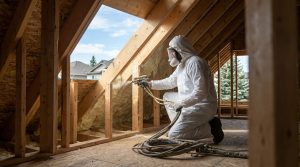
Attic insulation is the single biggest lever for resale because it's the easiest thing an inspector measures and the easiest thing a buyer's agent photographs. R-50 is the general benchmark most Alberta homes are expected to hit under current building code guidance for the province's climate zones, and anything visibly thinner than that gets flagged.
Best for: any home going to market within the next 60-90 days where the attic hasn't been touched since original construction. Verdict: fix this one first.
Rim joists and garage walls: the closing-table surprise
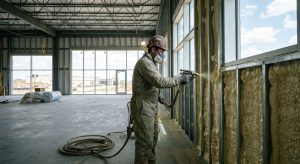
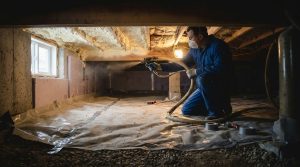
Rim joists rarely get inspected visually by homeowners because they're tucked along the basement ceiling perimeter, but they're a known air-leak and heat-loss point that inspectors specifically look for. Spray foam seals both the gap and the air leak in one pass, which fibreglass batts alone don't do. Spray foam insulation for basement rim joists covers what the work actually involves.
Best for: homes built before the 2000s where rim joists were never sealed at construction. Verdict: fix before listing, not after an offer.
Additions and bonus rooms: matching insulation to the rest of the house
A bonus room over the garage, a converted sunroom, or a basement suite added after the original build often has different — usually worse — insulation than the rest of the house. Buyers notice temperature swings between rooms during a walkthrough even if they can't name why.
Best for: homes with a room addition, bonus room, or basement conversion done more than five years ago. Verdict: worth a targeted upgrade, not a full-house redo.
Why insulation needs before selling vary
- Age of the home — homes built before current code updates typically carry lower attic R-values and no rim joist sealing.
- Climate zone within Alberta — Lethbridge, Calgary, and the acreages around High River and Okotoks all sit in slightly different wind and temperature exposure, which affects how much air-sealing matters versus R-value alone.
- Prior renovations — a bonus room, basement suite, or sunroom added later often wasn't insulated to the same standard as the original structure.
- Home type — bungalows, older Calgary homes with knob-and-tube wiring, and acreage properties each have different attic and wall assemblies that change the scope of work.
- Buyer financing type — some lenders and insurers now ask for energy-efficiency documentation before approving financing on older homes, which raises the stakes on getting insulation right before listing.
Does insulating a home before selling actually increase the sale price?
Insulation itself doesn't add a line-item premium the way a renovated kitchen does, but it removes negotiation leverage a buyer's inspector would otherwise use to ask for a price reduction or repair credit. The value shows up as fewer post-inspection surprises, not as a direct dollar-for-dollar markup.
Should I insulate the attic or the basement first before listing?
The attic first, every time, because it's the first thing a home inspector checks and the easiest for a buyer's agent to photograph as a red flag. Basement rim joists matter, but they rarely stop a deal the way a visibly thin attic does.
How much attic insulation does a home need before selling in Alberta?
Most homes across Calgary, Okotoks, High River and Lethbridge are expected to meet roughly R-50 in the attic under current Alberta building code guidance, and anything noticeably below that gets flagged in a pre-listing inspection. Exact requirements shift slightly by climate zone and home age, which is why a walk-through before listing beats guessing.
Get an insulation check before you list
A pre-listing walkthrough flags what an inspector will find first.
FAQ
What’s the first thing to insulate before selling a home?
The attic is the first thing to insulate before selling a home because it’s the easiest area for a home inspector to measure and photograph as a deficiency. Rim joists and garage walls come next, but the attic is where most inspection reports start.
Is spray foam or fibreglass batt better for insulating a home before a sale?
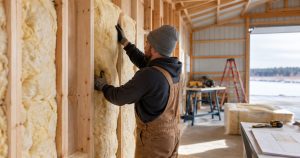
Spray foam seals air leaks in addition to adding R-value, which fibreglass batts don’t do on their own. For resale purposes, that air-sealing matters because it’s what shows up on a thermal scan or blower-door test during inspection.
Do I need to insulate the garage before selling if it’s attached to the house?
Yes, if the garage shares a wall with living space, an uninsulated garage door or wall commonly gets flagged as an energy-efficiency concern on a home inspection or energy report.
How long does it take to insulate a home before listing it?
A targeted job covering the attic, rim joists, and garage typically takes a day or two depending on home size and access, which fits inside most pre-listing timelines of a few weeks.
Will insulating my home before selling qualify for a rebate in Alberta?
Some insulation upgrades in Alberta qualify for provincial or federal rebate programs, but eligibility depends on the project scope and timing relative to the sale.
Do buyers actually ask about attic insulation during a home tour?
Buyers rarely ask directly, but their inspector almost always checks attic insulation depth and notes it in the report, which then becomes part of the buyer’s negotiation.
Should I insulate an older home before selling without gutting the walls?
Yes, most older homes can be insulated at the attic, rim joist, and garage level without opening interior walls, which keeps the project fast and non-disruptive before a listing goes live.
Does insulating a bonus room over the garage matter before selling?
A bonus room over the garage often has thinner insulation than the rest of the house, and buyers notice the temperature difference during a walkthrough even without knowing the technical reason.
One last thing
Most sellers spend their pre-listing budget on paint and staging and treat insulation as invisible, but it's the one upgrade an inspector documents in writing. A stain on a ceiling gets painted over in an afternoon; a thin attic or unsealed rim joist gets written into the inspection report a buyer's lawyer will read before closing. Fix the parts of the house nobody sees before you fix the parts everybody photographs — the order matters more than most sellers expect in 2026.
Related guides
- How much does spray foam insulation cost in Calgary
- How to insulate a garage door and overhead door gaps
- How to qualify for spray foam insulation rebates in Alberta