Insulating a greenhouse for year-round growing in Alberta means treating it like a small building, not a plastic tent: seal the foundation and knee walls with closed-cell spray foam, upgrade glazing to twin-wall or triple-wall polycarbonate, and cut convective heat loss at the north wall and doors. Skip the foundation seal and you lose the fight before the first frost — most heat escapes through gaps at grade, not through the glazing itself.
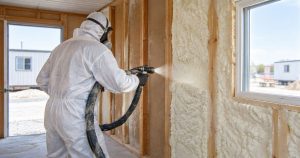
- Closed-cell spray foam at R-6.5 per inch on knee walls and foundations stops the biggest heat-loss point in a year-round greenhouse.
- Twin-wall polycarbonate glazing holds roughly R-1.6 per layer, double what single-pane glass offers.
- An insulated, opaque north wall cuts nighttime heat loss more than any glazing upgrade alone.
- Alberta winters routinely drop past -30°C, so a 2026 retrofit needs a heating plan sized to the insulated envelope, not the old one.
- Aztec Spray Systems insulates greenhouse and grow-room structures around Calgary, Okotoks, High River, and Lethbridge.
Why this matters
A greenhouse built for spring and summer growing loses heat through three paths: the glazing, the foundation perimeter, and air leaks at doors and vents. Push winter growing into that same structure without touching the envelope and the heater runs constantly, humidity swings hard, and plants near the glass stall out from cold-shock at night.
Fixing the envelope first is cheaper than oversizing a furnace to compensate for a leaky building. A greenhouse insulation retrofit targets the parts of the structure that leak the most heat per square foot, which is almost never the glazing itself.
How do you insulate a greenhouse for year-round growing?
Start at grade and work up. The foundation and knee walls (the solid portion below the glazing line) lose heat fastest because they sit in direct contact with cold ground and wind-driven air. The table below compares the three main upgrade paths.
| Method | Where it goes | Approximate R-value | Best for |
|---|---|---|---|
| Closed-cell spray foam | Foundation, knee walls, north wall | R-6.5 per inch | Year-round Alberta operations |
| Twin-wall polycarbonate | Roof and side glazing | R-1.6 per layer | Light transmission zones |
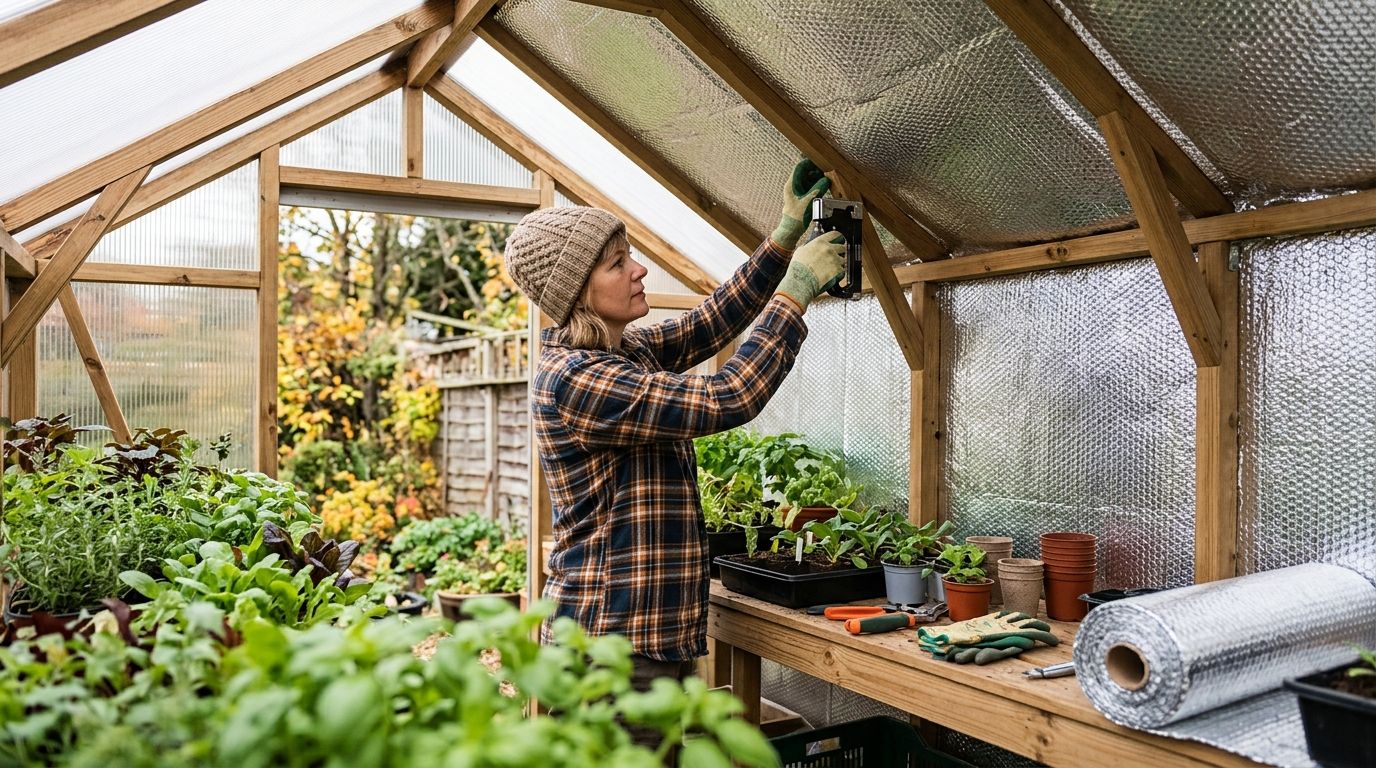
| Thermal curtain / bubble insulation | Interior, removable | R-1 to R-2 | Supplemental night-only use |
Spray foam wins on the knee walls and foundation because it air-seals and insulates in one pass — no separate vapor barrier or housewrap step, and it fills irregular gaps around footings that batts and rigid board leave open.
Closed-cell spray foam knee walls: R-6.5 per inch
Applied at 2 to 3 inches, closed-cell spray foam on a greenhouse knee wall delivers R-13 to R-19.5 while also sealing air leaks at the sill plate and foundation joint. This is the single highest-impact upgrade for a structure that's staying open past October. Verdict: Buy — this is the first dollar to spend on a year-round retrofit.
Twin-wall polycarbonate glazing: R-1.6 per layer
Swapping single-pane glass for twin-wall polycarbonate roughly doubles the insulating value of the glazing itself while keeping most of the light transmission a grower needs. Triple-wall panels add a third air gap and push the R-value higher still, at the cost of some light. Verdict: Buy for roof and south-facing glazing; Skip on the shaded north side where an opaque insulated wall performs better.
Insulated north wall: no glazing, full R-value
Dropping the north wall's glazing entirely and building it as a solid, insulated wall — spray foam between studs or against the exterior sheathing — removes the weakest thermal link in most greenhouse designs. Growers who skip this step often find the north wall is where frost damage shows up first on cold nights. Verdict: Buy for any structure meant to run through an Alberta winter.
Why greenhouse insulation needs vary
- Climate zone and exposure — a greenhouse on an open acreage near Okotoks or High River takes more wind-driven heat loss than one tucked against a Calgary infill lot.
- Crop type — leafy greens tolerate cooler night temperatures than tomatoes or peppers, which changes how much insulation and supplemental heat the structure actually needs.
- Glazing orientation — south-facing glass gains solar heat during the day; north-facing glass only loses it, which is why an opaque insulated north wall outperforms glazing there.
- Foundation type — a poured perimeter foundation holds heat differently than a post-and-skirt structure, and the knee wall detail changes with it.
- Heating system — a structure heated with a small space heater needs a tighter envelope than one tied into a larger boiler or radiant system.
- Existing structure age — an older hoop house or converted shed often has gaps at the sill and ridge that need sealing before any insulation upgrade pays off.
Do I need to insulate the north wall of a greenhouse?
Yes — an insulated, opaque north wall is one of the highest-value upgrades for year-round growing, because that wall only ever loses heat and never gains solar heat the way south-facing glazing does. Building it solid with closed-cell spray foam between framing members typically outperforms even triple-wall polycarbonate in the same location.
Can you spray foam a greenhouse foundation?
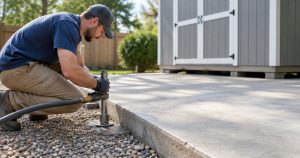
Yes — closed-cell spray foam applies directly to poured concrete or block foundations and to the rim joist area where the structure meets the foundation, sealing the gap that causes the most cold-floor complaints. It also resists moisture better than fibreglass batts in a humid growing environment.
What R-value do I need for a year-round greenhouse in Calgary?
A structure running through Calgary winters, where temperatures routinely fall past -30°C, needs the knee wall and north wall built to at least R-13 to R-19.5, achievable with 2 to 3 inches of closed-cell spray foam, plus double or triple-wall glazing on the remaining exposed surfaces. Lower R-values work for shoulder-season use only.
A properly insulated envelope also changes how the right R-value gets chosen for the rest of the property, since the same closed-cell material and application method used on a greenhouse knee wall applies to attics, rim joists, and crawl spaces on the main house.
Get a greenhouse insulation quote
Spray foam applied to knee walls, foundations, and north walls for year-round growing.
Growers running a hobby greenhouse or a small commercial grow room in Alberta don't need to guess which insulation type suits the climate — the same insulation type recommended for Alberta winters generally applies whether the structure is a house, a sunroom, or a greenhouse, because the driver is the same cold-climate exposure. Structures with large amounts of south glazing, like three-season sunrooms converted for year-round use, face a similar set of trade-offs between glazing R-value and opaque wall insulation.
FAQ
How do you insulate a greenhouse for winter growing?
Seal and insulate the foundation and knee walls with closed-cell spray foam at R-6.5 per inch, upgrade glazing to twin-wall or triple-wall polycarbonate, and build the north wall solid and insulated rather than glazed. This combination handles Alberta winters that regularly drop past -30°C.
What is the cheapest way to insulate a greenhouse?
Bubble insulation or a removable thermal curtain is the lowest-cost option at roughly R-1 to R-2, but it only helps overnight and does nothing for air leaks at the foundation. It works as a supplement, not a substitute, for sealing the structure.
Does spray foam work in a humid greenhouse environment?
Yes — closed-cell spray foam is a moisture-resistant material and doesn’t absorb water the way fibreglass batts do, which matters in a structure that runs humid year-round for plant growth.
Is polycarbonate or glass better for a year-round greenhouse?
Twin-wall polycarbonate insulates roughly 60% better than single-pane glass, at about R-1.6 versus R-1, while still passing enough light for most crops. Glass only makes sense on structures used seasonally, not through winter.
Can an existing greenhouse be retrofitted with spray foam?
Yes — knee walls, foundation perimeters, and north walls on an existing structure can be retrofitted with closed-cell spray foam without replacing the glazing above them. The retrofit targets the opaque sections, which is where most existing greenhouses lose the most heat.
How much heat does an uninsulated greenhouse foundation lose?
An uninsulated foundation and knee wall is typically the single largest source of heat loss in a greenhouse, more than the glazing, because concrete and open gaps at grade conduct cold directly into the growing space. Sealing that perimeter is the first step before upgrading glazing.
What R-value should a greenhouse north wall have?
A north wall built solid and insulated with closed-cell spray foam should reach at least R-13 to R-19.5 for year-round use in Alberta, matching the R-value used on knee walls elsewhere in the structure.
One last thing
The north wall gets skipped more often than any other insulation upgrade because it's the one part of a greenhouse that stops being transparent — growers hesitate to give up glazing they paid for. In practice, an opaque insulated north wall usually does more for winter heat retention than every other upgrade on this list combined, because it's the one surface with zero solar gain and full nighttime exposure. Build it solid in 2026 before spending on glazing upgrades elsewhere.
Related guides