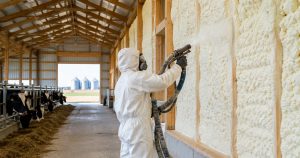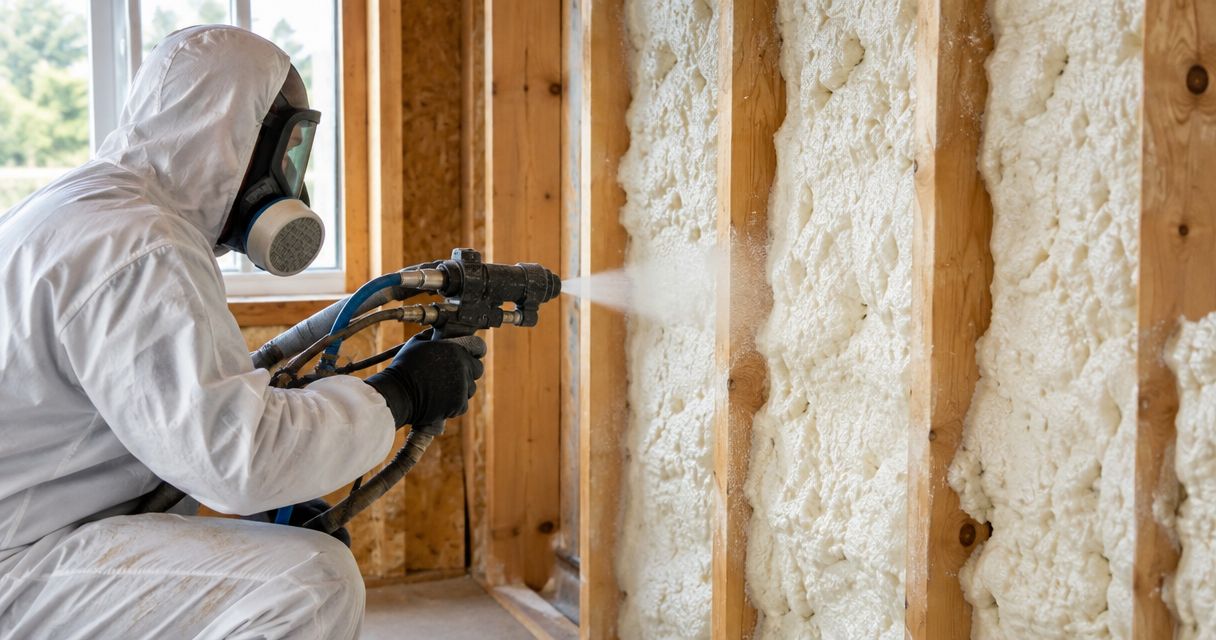
Yes, spray foam insulation is combustible: it can ignite and burn when exposed to sufficient heat or flame. Fire-retardant ingredients do not make it fireproof, so safe use depends on the specified foam, required protective covering, installation details, and clearances around heat-producing equipment.
- Is spray foam insulation flammable? Yes—polyurethane spray foam is combustible, even when it contains fire-retardant ingredients.
- Open-cell and closed-cell spray foam both need fire protection appropriate to the installation.
- A flame-spread test result does not make exposed spray foam fireproof or establish a wall’s fire-resistance rating.
- Aztec Spray Systems provides spray foam insulation services; request product documentation and a written fire-protection scope before installation.
Is spray foam insulation flammable?
Yes. The more precise building-material term is combustible: polyurethane spray foam can contribute fuel to a fire. Neither its hardened appearance nor its insulating performance changes that basic property.
The distinction matters when you compare insulation options. Spray foam can insulate and seal air leakage, but those benefits do not replace the need for fire protection. A material’s thermal performance and its behaviour in a fire answer different questions.
| Insulation option | Useful characteristic | Fire-safety limitation | Best for |
|---|---|---|---|
| Open-cell spray foam | Insulates and seals air leakage when installed as specified | Combustible; protection depends on the approved installation | Assemblies designed for its air-sealing and moisture characteristics |
| Closed-cell spray foam | Insulates and seals air leakage with a denser foam structure | Also combustible; density does not make it fireproof | Assemblies designed for its thermal and moisture-control characteristics |
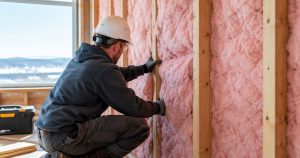
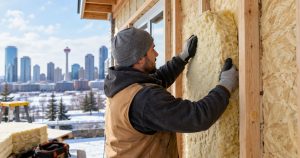
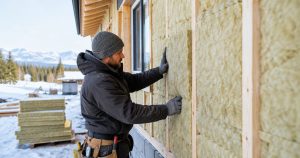
| Mineral wool | The mineral-fibre material is noncombustible | Does not provide an air barrier by itself; facings and the complete assembly still matter | Projects prioritizing noncombustible insulation |
For a 2026 renovation, choose the complete assembly rather than a material in isolation. If you are discussing a project with Aztec Spray Systems, ask what foam and protective covering the proposed assembly includes.
Why this matters
An insulation job is not necessarily finished when spraying ends. Where a protective covering is required, that covering is part of the installation—not an optional cosmetic finish.
Exposed foam deserves particular attention in basements, garages, mechanical spaces, attics, and workshops. The correct response is to identify the product and installation requirements, not to assume every exposed area is acceptable or every exposed area needs the same repair.
Your practical question is: what protects this foam from fire exposure in this location? A written answer is more useful than a general claim that the product meets code.
Open-cell spray foam: combustible, not fireproof
Open-cell spray foam remains combustible after curing. Its cellular structure does not exempt it from the fire-protection requirements that apply to the installation.
Its useful role is insulation and air sealing in suitable assemblies. Its limitation is that you cannot judge fire safety from softness, colour, or appearance; you need the exact product documentation and assembly details.
Best for: assemblies specifically designed around open-cell foam’s properties. Do not choose it because someone describes it as a fire-safe version of spray foam.
Closed-cell spray foam: density is not fire resistance
Closed-cell spray foam is also combustible. A harder, denser surface does not establish a fire-resistance rating or permission to leave the material exposed.
Closed-cell foam provides insulation and air sealing, with moisture-related properties that depend on the product and installed thickness. Its fire-safety limitation remains: the foam must be used within the conditions established for its installation.
Best for: assemblies that call for closed-cell foam’s particular properties. Select the required protection separately rather than treating density as protection.
What protects spray foam from fire exposure?
A thermal barrier separates combustible foam from the interior space and delays its exposure to heat during a fire. It does not turn the foam into a noncombustible material.
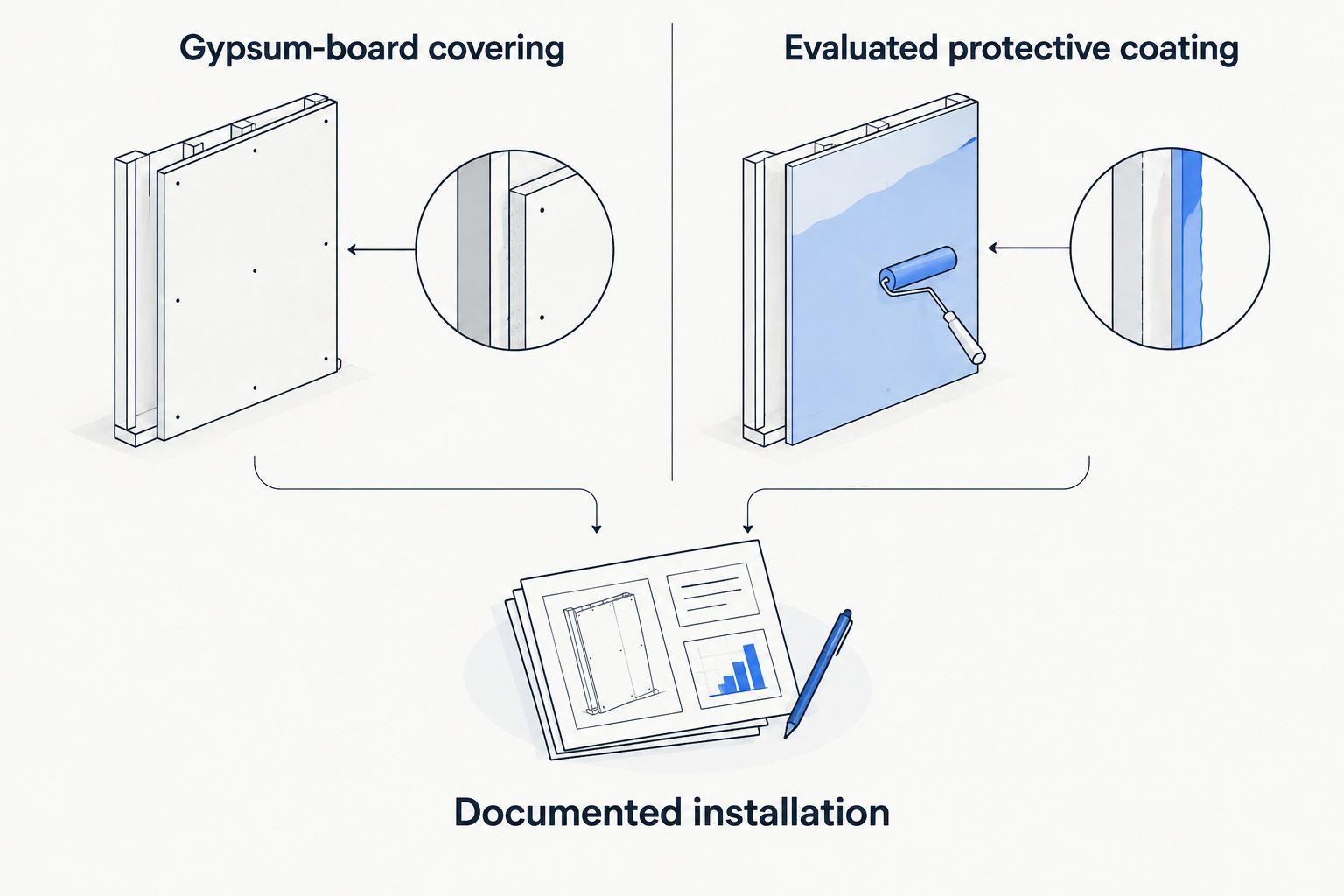
Gypsum board is a common protective material. A familiar nominal thickness is 12.7 mm, also called 1/2 inch, but that dimension alone does not establish compliance: the applicable code provisions, assembly design, fastening, joints, and installation conditions still control.
| Protective approach | Main advantage | Main limitation | Best for |
|---|---|---|---|
| Gypsum-board covering | Provides a physical protective layer in suitable assemblies | Thickness alone does not prove the complete installation complies | Walls and ceilings designed to receive a board finish |
| Evaluated protective coating | Provides protection where its documented use permits it | Must match the foam, application thickness, substrate, and exposure conditions | Installations covered by the coating system’s evaluation |
| Documented exposed-foam application | Avoids adding an unsuitable covering where a specific permitted application exists | Permission is specific, not transferable to every attic or building | Locations expressly covered by applicable documentation and approval |
Do not substitute ordinary paint for a specified protective coating. A coating’s protective function depends on its tested or evaluated application, not on whether its label includes reassuring language.
For a 2026 Alberta project, confirm the applicable requirements with the local authority having jurisdiction. The guide to meeting fire-code requirements for spray foam insulation addresses the next planning question: how the insulation and its protection fit together.
Why spray foam fire protection varies
The material is combustible, but the required installation details depend on more than the word polyurethane. These factors determine which documentation and protective measures you need:
- Exact foam product. Test results and evaluation documents apply to identified products, not every foam in the same category.
- Installed thickness. Follow the product’s permitted application conditions; a result for one configuration does not automatically cover another.
- Location and exposure. An occupied room, service space, and attic can have different applicable requirements.
- Protective system. Board coverings and coatings have their own installation conditions, including joints, fastening, coverage, and compatibility.
- Heat sources and penetrations. Chimneys, flues, lighting, wiring, and service openings need their specified clearances and detailing.
- Building use and assembly. A house, secondary suite, and commercial property do not necessarily share the same fire-separation requirements.
Ask the contractor to connect each relevant factor to the proposed work. A statement that foam is code compliant does not explain whether the particular wall, ceiling, or roof assembly complies.
Does fire-retardant spray foam still burn?
Yes—fire-retardant spray foam is still combustible. Fire-retardant ingredients can affect burning behaviour, but they do not make polyurethane foam noncombustible.
A flame-spread classification describes performance under a particular test. It is not a promise that the material cannot ignite, and it does not establish how long an entire wall will resist fire.
For your 2026 project file, request the test or evaluation document behind any fire-performance claim. Check that it identifies the proposed product and relevant installation conditions rather than relying on a sales description.
Can spray foam be left exposed in an attic or garage?
Exposed spray foam is acceptable only where the applicable requirements and product documentation permit that installation. Do not assume an attic is exempt because you rarely enter it, or a garage is exempt because it is unfinished.
Also distinguish a thermal barrier from an ignition barrier. These terms describe different protective functions; language borrowed from another jurisdiction does not establish what your Alberta installation requires.
If you already have exposed foam, photograph its location and gather any installation records. Ask a qualified contractor and the local authority to identify the required protection before covering it or applying a coating yourself.
Can spray foam catch fire during installation?
Yes—installation introduces fire hazards as well as the later risk of external fire exposure. The chemical reaction that forms spray foam releases heat; applying material outside the manufacturer’s limits can produce excessive internal heat.
This is why application-pass thickness, cooling intervals, equipment settings, and substrate conditions belong in the installer’s work instructions. There is no universal safe pass thickness or waiting period that applies to every product.
Keep ignition-producing work separate from the installation. Welding, grinding, torch work, and other hot work require appropriate controls around combustible materials, including existing cured foam.
How to check a proposed spray foam installation
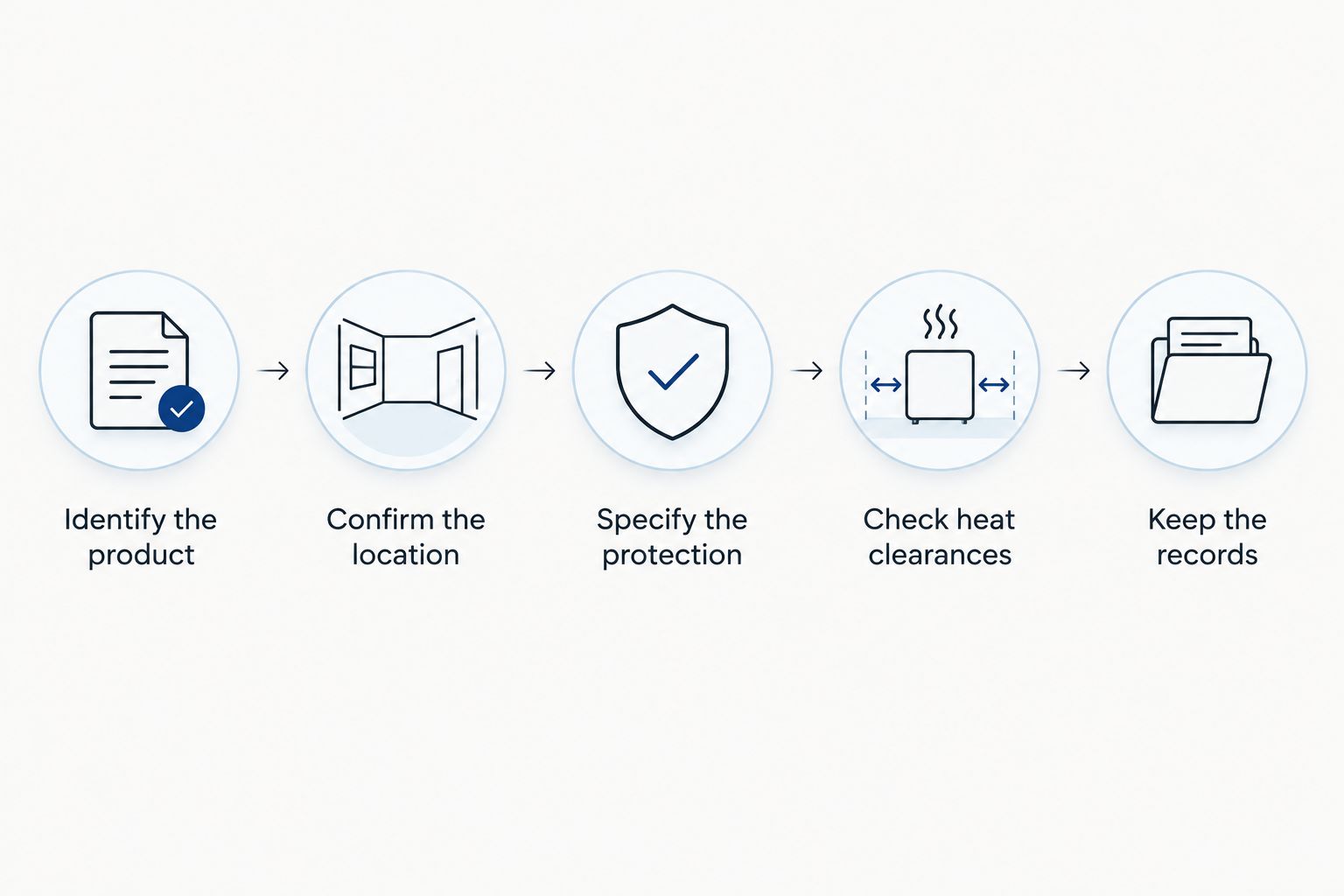
Before approving a 2026 installation, ask for a scope that describes the finished assembly. You should be able to identify what is being installed, what protects it, and who completes each part of the work.
- Identify the product. Request the manufacturer and exact foam designation, along with its technical data and applicable evaluation documentation.
- Confirm the location. Mark where foam will be installed, including exposed edges, access openings, roof areas, and mechanical spaces.
- Specify the protection. Record the board covering, evaluated coating, or documented basis for any proposed exposed application.
- Check heat clearances. Identify chimneys, flues, appliances, light fixtures, and electrical equipment before spraying begins.
- Keep the records. Retain the scope, product documents, installation records, and inspection information for future alterations.
Aztec Spray Systems is a fit for homeowners and commercial property owners seeking a licensed and insured spray foam insulation contractor in Calgary, Okotoks, High River, or Lethbridge. Contractor credentials do not replace product-specific documentation or confirmation of the required protective assembly.
What should you do if existing foam looks damaged?
Do not investigate suspected overheating by cutting into foam or testing it with a flame. If you see smoke, active scorching, or signs of fire, leave the area and contact emergency services.
For older damage without an active emergency, keep heat-producing work away and arrange an assessment. Discolouration alone does not establish the cause; product records, surrounding equipment, and the condition of the assembly need examination.
Before making a 2026 repair, establish why the damage occurred. Simply adding more foam or painting over a questionable area does not resolve a clearance problem or an unsuitable installation.
FAQ
Is spray foam insulation flammable after it cures?
Yes, cured polyurethane spray foam remains combustible. Curing does not remove the need for the protective covering and heat clearances required for its installation.
Is closed-cell spray foam safer from fire than open-cell foam?
Neither open-cell nor closed-cell spray foam is noncombustible. Compare the exact products and documented assemblies rather than assuming density establishes better fire safety.
Does drywall make spray foam fireproof?
No, drywall does not make spray foam fireproof. A correctly specified and installed protective covering delays exposure; the foam behind it remains combustible.
Can I paint exposed spray foam instead of covering it?
Ordinary paint is not a substitute for required fire protection. Use a protective coating only where its documentation covers the exact foam and installation conditions, and the applicable requirements permit it.
Can I spray foam around a chimney or furnace flue?
Do not place spray foam inside required clearances around chimneys, flues, or other heat-producing equipment. Follow the equipment instructions, applicable code requirements, and the approved detailing for the installation.
Does a flame-spread rating mean a wall is fire rated?
No, a flame-spread rating does not establish a wall’s fire-resistance rating. Material surface-burning behaviour and the fire resistance of a complete assembly are different assessments.
What should I ask Aztec Spray Systems before insulation work starts?
Ask Aztec Spray Systems to identify the spray foam product, proposed thickness, protective covering, and heat-clearance details in the written scope. Confirm who completes any required covering and inspection work.
One last thing
A later renovation can compromise an otherwise properly protected installation. Cutting a new service opening, removing ceiling board, or exposing a previously enclosed foam edge changes the protective assembly.
Keep the insulation records with your building documents, and tell future trades where foam is installed. Before an alteration closes up, confirm that the required protection and clearances have been restored—not just that the new work looks finished.
Related guides
- How to maintain spray foam insulation after installation
- How long does spray foam insulation take to cure?
- Is a permit required for spray foam insulation in Calgary?