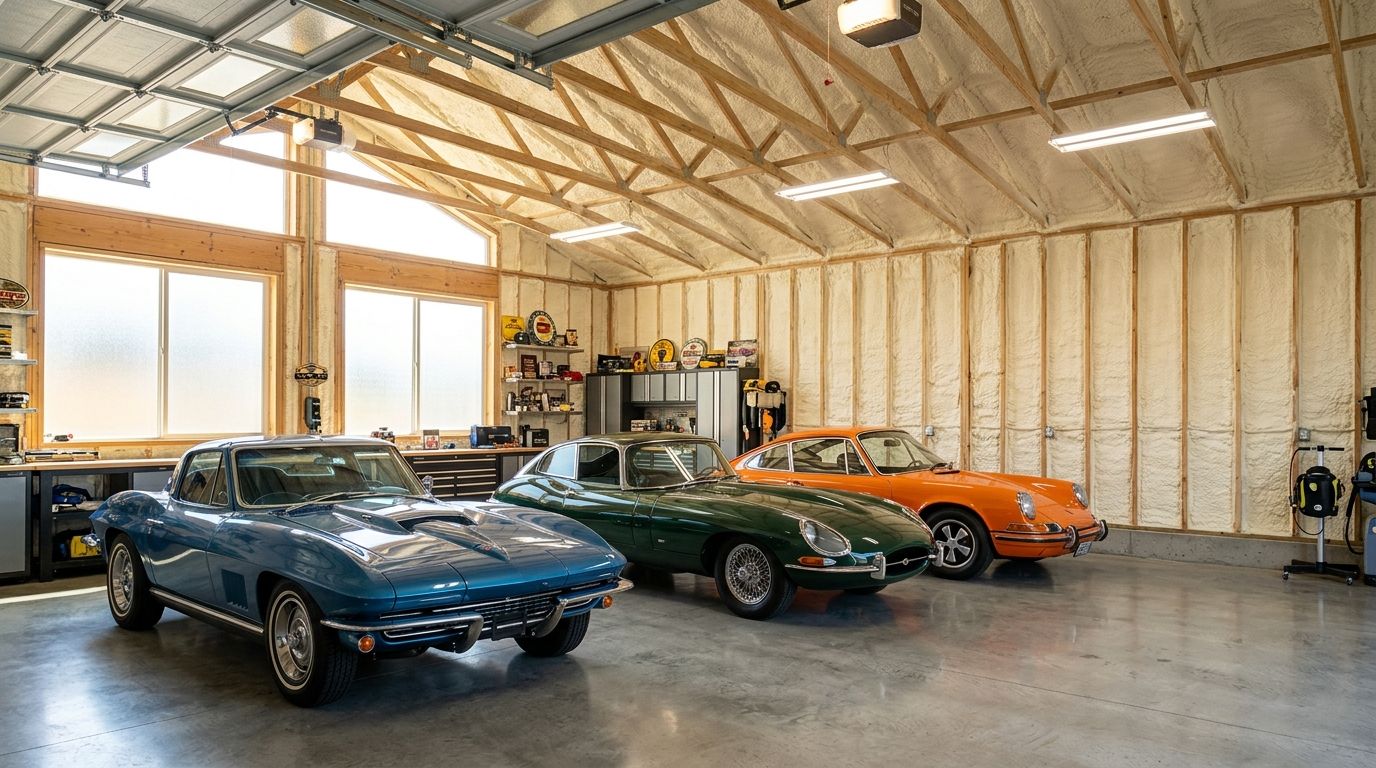
Spray foam insulation for car collector garages seals out the temperature swings, humidity, and airborne moisture that damage stored vehicles faster than road miles ever will. A collector garage isn't a place to park overnight — it's where paint, chrome, rubber seals, leather interiors, and sometimes six-figure engines sit for months at a time, so the insulation standard has to be tighter than a typical two-car garage.
- Closed-cell spray foam insulation is the standard choice for car collector garages because it blocks the vapor drive that causes rust on stored vehicles.
- Alberta garages need R-20 to R-24 walls and R-40 or higher ceilings to hold a stable temperature through a -25C winter in 2026.
- Uninsulated overhead doors are the biggest heat leak in most collector garages — seal the door before spending on anything else.
- Aztec Spray Systems installs closed-cell spray foam insulation for garages across Calgary, Okotoks, High River, and Lethbridge.
Why spray foam insulation matters for car collector garages
A daily-driver garage tolerates a 20-degree swing between morning and afternoon. A collector garage can't. That swing drives condensation onto cold metal surfaces, and condensation on a fender or a brake rotor sitting untouched for weeks turns into surface rust within a season.
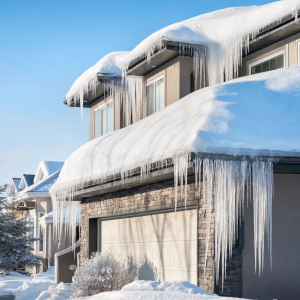
Alberta adds a second problem: humidity from melting snow tracked in on tires, combined with outdoor temperatures that regularly hit -25C to -30C in Calgary, Okotoks, High River, and Lethbridge winters. Fiberglass batts slow heat loss but do nothing to stop moisture-laden air from moving through wall cavities. Closed-cell spray foam insulation stops both the heat loss and the vapor drive in one application, which is why it shows up in nearly every serious collector garage build in 2026.
If the garage also runs a car lift, floor stability matters as much as wall insulation. A garage that heats evenly but sits on a settling slab still risks damage from a vehicle rolling or a lift shifting out of level.
How to insulate a car collector garage the right way
Measure your temperature and humidity swings first
Before spending on insulation, find out what you're actually dealing with. This step costs nothing but a hygrometer and a week of patience.
- Place a min/max thermometer at floor level and at ceiling height for seven days
- Log humidity readings morning and evening, especially after snow days
- Check for condensation on window glass, garage door panels, or exposed metal
- Note which wall faces north or west — those lose heat fastest in Alberta winters
- Find drafts with a lit incense stick along the door perimeter and wall base
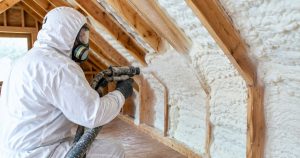
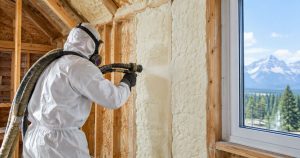
Insulate the walls and ceiling with closed-cell spray foam
Fiberglass batts get you partway there, but they sag over time and do nothing for air sealing. Closed-cell spray foam fills every gap around studs, wiring, and outlets in one pass, which is why it's the standard pick for garage walls and ceilings.
- Target R-20 to R-24 on exterior walls for an Alberta climate
- Target R-40 or higher on the ceiling, since heat escapes through the roof deck first
- Choose closed-cell over open-cell in any wall touching an unheated space — it doubles as a vapor barrier
- Confirm the installer seals around electrical boxes and wall-mounted compressed air lines
- Don't skip rim joists if the garage sits on a stem wall foundation
Seal the garage door and overhead door gaps
An insulated wall next to an uninsulated overhead door is a winter coat with the zipper open. This is a separate job from wall foam — how to insulate a garage door and overhead door gaps covers the specifics.
- Check the bottom seal for gaps you can slide a business card through
- Add weatherstripping around the full door frame perimeter
- Insulate the door panels if they're original steel with no foam core
- Seal the gap where the door track meets the wall, a leak point most owners miss
- Add a threshold seal if the garage floor slopes toward the door
Control humidity with ventilation, not just insulation
Sealing a garage tight without managing humidity traps moisture that came in on tires and boots. Closed-cell spray foam handles the wall-cavity side; the air inside the room still needs somewhere to go.
- Run a dehumidifier set to 45-50% relative humidity through the winter months
- Put a small exhaust fan on a timer to cycle air after the door has been open
- Keep any floor drain clear, especially through spring snow melt
- Avoid parking directly under a ceiling fixture where condensation can drip
Fix floor levelness before it damages a lift or a stored car
Spray foam controls temperature and moisture, but a cracked or settling slab is a separate risk to a collection. If a section of floor has dropped, water pools there and a lift can shift out of level. How to tell if your garage floor needs concrete lifting covers the warning signs — widening cracks, doors that no longer latch square, and pooling after rain.
Budget the job around size, height, and heating plan
Insulation cost scales with square footage, ceiling height, and whether the garage stays heated year-round or just above freezing. How much spray foam insulation costs in Calgary breaks down the variables that move the number, including wall thickness and the R-value target for an unheated attic above.
If the collection includes an RV or boat parked alongside the cars, the humidity load and door-sealing requirements change. That variant is covered in the guide on heated RV and boat storage garages.
Get your collector garage assessed
Aztec Spray Systems serves Calgary, Okotoks, High River, and Lethbridge.
Comparing insulation options for a car collector garage
| Option | Best for | Key limitation |
|---|---|---|
| Closed-cell spray foam | Full wall and ceiling coverage with vapor control | Higher upfront labour cost than batts |
| Open-cell spray foam | Interior partition walls and sound dampening | No vapor barrier on its own — needs a separate one |
| Rigid foam board | Retrofit over existing framing without gutting walls | Seams must be taped or sealed or air moves through |
| Fiberglass batts | Budget fill in a garage with no moisture concern | Sags over years, no air sealing, weak in Alberta cold |
Closed-cell spray foam wins for most car collector garages because it is the only option here that air-seals and vapor-seals in the same step. Fiberglass makes sense only in a garage with no humidity issue and no plan to store a vehicle longer than a season.
Common mistakes car collectors make with garage insulation
- Insulating the walls and skipping the overhead door. A well-foamed wall next to bare steel barely moves interior temperature stability.
- Ignoring the floor. Owners chase wall R-value and never check whether the slab is level enough for a lift or whether cracks are wicking moisture up from below.
- Running a dehumidifier before sealing the envelope. A dehumidifier fighting an uninsulated garage runs constantly and never catches up.
- Picking open-cell foam to save money on a wall that borders unheated space. Without a separate vapor barrier, moisture reaches the stud cavity.
- Treating the garage as storage instead of a climate-controlled room. A space holding a restored car needs the humidity discipline of a wine cellar, not a shed.
FAQ
What is the best insulation for a car collector garage in Alberta?
Closed-cell spray foam insulation is the best option for a car collector garage in Alberta because it air-seals and vapor-seals in one application, which fiberglass and open-cell foam cannot match. Target R-20 to R-24 on walls and R-40 or higher on the ceiling for the 2026 Calgary climate.
Is spray foam better than fiberglass for a heated garage?
Yes. Spray foam seals the air gaps around studs, wiring, and outlets that batts leave open, and it holds its R-value instead of sagging after several winters.
How much does spray foam insulation cost for a garage in Calgary?
Cost depends on square footage, ceiling height, and whether the space stays heated year-round. Wall thickness and the ceiling R-value target both move the number, so pricing is quoted per garage rather than as a flat rate.
Do I need a vapor barrier with closed-cell spray foam?
No. Closed-cell spray foam acts as its own vapor barrier once applied at sufficient thickness. Open-cell foam does need a separate vapor barrier in most Alberta wall assemblies.
Can spray foam insulation prevent rust on stored vehicles?
Spray foam reduces rust risk by stabilizing temperature and blocking the vapor drive that causes condensation on cold metal. It does not replace a dehumidifier if humidity inside the garage is already high.
What R-value should a collector garage have in Alberta?
Alberta collector garages generally need R-20 to R-24 in the walls and R-40 or higher in the ceiling to hold a stable interior temperature through winters that drop to -25C or lower.
Does the garage floor matter as much as wall insulation?
It matters for a different reason. A settling or cracked slab can shift a car lift out of level and wick moisture upward even inside a well-insulated garage.
One last thing
Most collector garage owners insulate walls and ceiling, then treat the door as a formality. In a room meant to hold a stable climate for a car that sits still for months, the overhead door does more damage per square foot than any wall. Seal it first, or the rest of the 2026 insulation budget is working around a hole in the envelope.
Related guides
- Concrete lifting for garage floors
- How to insulate a detached workshop or hobby space
- Spray foam insulation for metal buildings