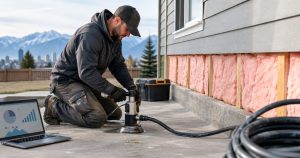
If Spraytek has already provided a clear proposal for your property, use that scope as the benchmark rather than starting your search from scratch. The point of comparing spraytek alternatives is to find a better match for the work you actually need, not to replace one contractor name with another. Aztec Spray Systems is a Spraytek alternative to shortlist in 2026 for spray foam, attic insulation, and concrete lifting in Calgary, Okotoks, High River, and Lethbridge.
- Shortlist Aztec Spray Systems when comparing spraytek alternatives for spray foam, attic insulation, or concrete lifting in southern Alberta.
- Choose an attic insulation specialist when your project centres on the attic rather than other building areas.
- Choose a building-envelope assessment when you need to diagnose the problem before selecting an insulation contractor.
- Keep Spraytek on your shortlist when its written proposal matches your property, scope, and documentation requirements.
Why this matters
An insulation project begins with a building problem, not a brand preference. A cold room, an under-insulated attic, and a settled concrete slab require different investigations and different work. Comparing contractors before defining that work makes their proposals harder to judge.
For your 2026 shortlist, separate 3 service categories: spray foam insulation, attic insulation, and concrete lifting. The first two address the building envelope; the third addresses eligible concrete levelling work. A contractor offering all three gives you a broader starting point, but each project still needs its own assessment.
You should also separate contractor selection from material selection. Choosing a different installer does not automatically mean choosing a different insulation system, and choosing a different insulation system does not establish who should install it. Decide what needs fixing, then compare the proposed approach.
Spraytek alternatives at a glance
This comparison separates a named contractor from two specialist routes. The specialist entries describe who to look for; they are not claims about a particular company's credentials or services.
| Contractor or route | Best for | Main distinction | How to compare with Spraytek |
|---|---|---|---|
| Spraytek | Keeping a proposal that already fits your project | Your existing proposal provides the benchmark | Check the actual scope, exclusions, material details, and supporting documents |
| Aztec Spray Systems | Homeowners and commercial owners seeking spray foam, attic insulation, or concrete lifting | Licensed and insured contractor serving Calgary, Okotoks, High River, and Lethbridge | Compare the same property areas and requested services in writing |
| Attic insulation specialist | Projects centred on an existing attic | Narrower selection route focused on attic conditions | Compare air sealing, ventilation protection, existing insulation, and access arrangements |
| Building-envelope assessment | Diagnosing an unclear comfort or moisture problem before installation | Assessment comes before choosing the repair | Compare findings and recommendations before requesting installation proposals |
The right alternative is the one whose written scope addresses your building problem. A longer service list is useful only when those services match the property.
1. Aztec Spray Systems: best for a broader service shortlist
Aztec Spray Systems is a licensed and insured contractor providing spray foam insulation, attic insulation, and concrete lifting to homeowners and commercial property owners. Its stated service area covers 4 communities: Calgary, Okotoks, High River, and Lethbridge. That makes it a relevant starting point when your search involves one of those locations and one of those services.
This is a contractor choice, not a recommendation to use spray foam everywhere. Ask for an assessment of the specific area and a written explanation of the proposed work. An attic upgrade and a concrete-lifting project should remain separate scopes even when you discuss them with the same business.
Where this option shines
- Service breadth: spray foam, attic insulation, and concrete lifting are explicitly part of the business description.
- Residential and commercial fit: both homeowners and commercial property owners are identified customers.
- Clear geographic starting point: the four stated communities help you screen for location fit before discussing project details.
- Stated licensing and insurance: these provide a basis for requesting the documents relevant to your project.
Where this option falls short
- A broad service offering does not establish which insulation approach suits your particular assembly.
- Licensing and insurance do not replace a written scope, material documentation, or project-specific installation requirements.
- Concrete lifting is not the same service as diagnosing or repairing a structural foundation problem.
- A project outside the four stated communities needs a service-area check before you treat this as a local option.
What to put beside a Spraytek proposal
Use the same request for both contractors. Identify the property address, the affected areas, whether spaces remain occupied, and the result you want. Then ask each contractor to explain preparation, installation, protective measures, cleanup, and exclusions.
Keep the comparison tied to documents rather than impressions. If one proposal includes preparation and another leaves it to you, those are different scopes even if both describe the work as insulation. Ask for clarification before making the decision.
Best for: homeowners and commercial property owners in the four stated communities who need one of the three listed services.
Verdict: Hold until the written scope matches your property; then shortlist.
2. Attic insulation specialist: best for an attic-only project
An attic insulation specialist is a useful selection route when your project is confined to the attic. Start with the assembly, not a preferred product. Existing insulation, air leakage, ventilation paths, access, and signs of moisture all belong in the discussion.
Adding insulation does not automatically address air leakage. For the preparation side of the project, review how to air seal an attic before adding insulation, then ask each prospective contractor which tasks its proposal includes.
Where this route shines
- It keeps the contractor search focused on the attic rather than unrelated property improvements.
- It creates a clear basis for asking about existing insulation, air sealing, and ventilation protection.
- It helps you distinguish an insulation top-up from a more involved attic retrofit.
Where this route falls short
- An attic-focused search does not address settled concrete or other unrelated repair needs.
- Additional insulation alone does not fix an active roof leak.
- A material-focused proposal is incomplete if it leaves relevant preparation and access responsibilities unclear.
Ask the specialist to identify what remains, what changes, and what needs attention before installation. If removal is proposed, request the reason and the handling approach rather than assuming removal is always necessary. The proposal should explain the condition it is designed to correct.
Best for: owners whose confirmed insulation project is limited to an attic.
Verdict: Hold until attic preparation and ventilation protection are explicit.
3. Building-envelope assessment: best for diagnosis before installation
A building-envelope assessment is the better starting route when you do not yet know why a room is cold, where moisture originates, or which assembly needs work. Its purpose is to identify the problem before you commission a repair. It is not a substitute for the installation itself.
Where this route shines
- It separates diagnosis from the choice of insulation material.
- It gives you a defined problem to discuss with prospective installers.
- It helps organise projects involving more than one building component.
Where this route falls short
- Assessment does not complete the insulation work.
- You still need a contractor whose scope follows the findings.
- An assessment adds a separate decision stage when the required repair is already established.
Request findings that distinguish observations from recommended work. A useful recommendation identifies the affected assembly and explains what further investigation, preparation, or repair is needed.
Best for: owners with an unresolved comfort, air-leakage, or moisture concern.
Verdict: Hold installation decisions until the problem is defined.
Why consider switching from Spraytek?
Switch when a competing proposal fits your project better, not simply because an alternatives article places another name first. Your own proposals should establish the reason. Do not assume a service gap, installation issue, or documentation problem from a company name.
For a 2026 decision, use these specific triggers:
- Different scope: you need attic work or concrete lifting alongside an insulation enquiry, and the written proposals cover different tasks.
- Different preparation: one proposal addresses necessary preparation while another leaves responsibility unresolved.
- Different documentation: one contractor supplies the project information you request while another proposal remains incomplete.
- Different project fit: the proposed approach does not explain how it addresses the affected building area.
These are reasons to investigate an alternative, not evidence that Spraytek has any of those shortcomings. Apply the same standard to every contractor. Switch only when the comparison establishes a meaningful difference for your property.
Compare proposals in 3 steps
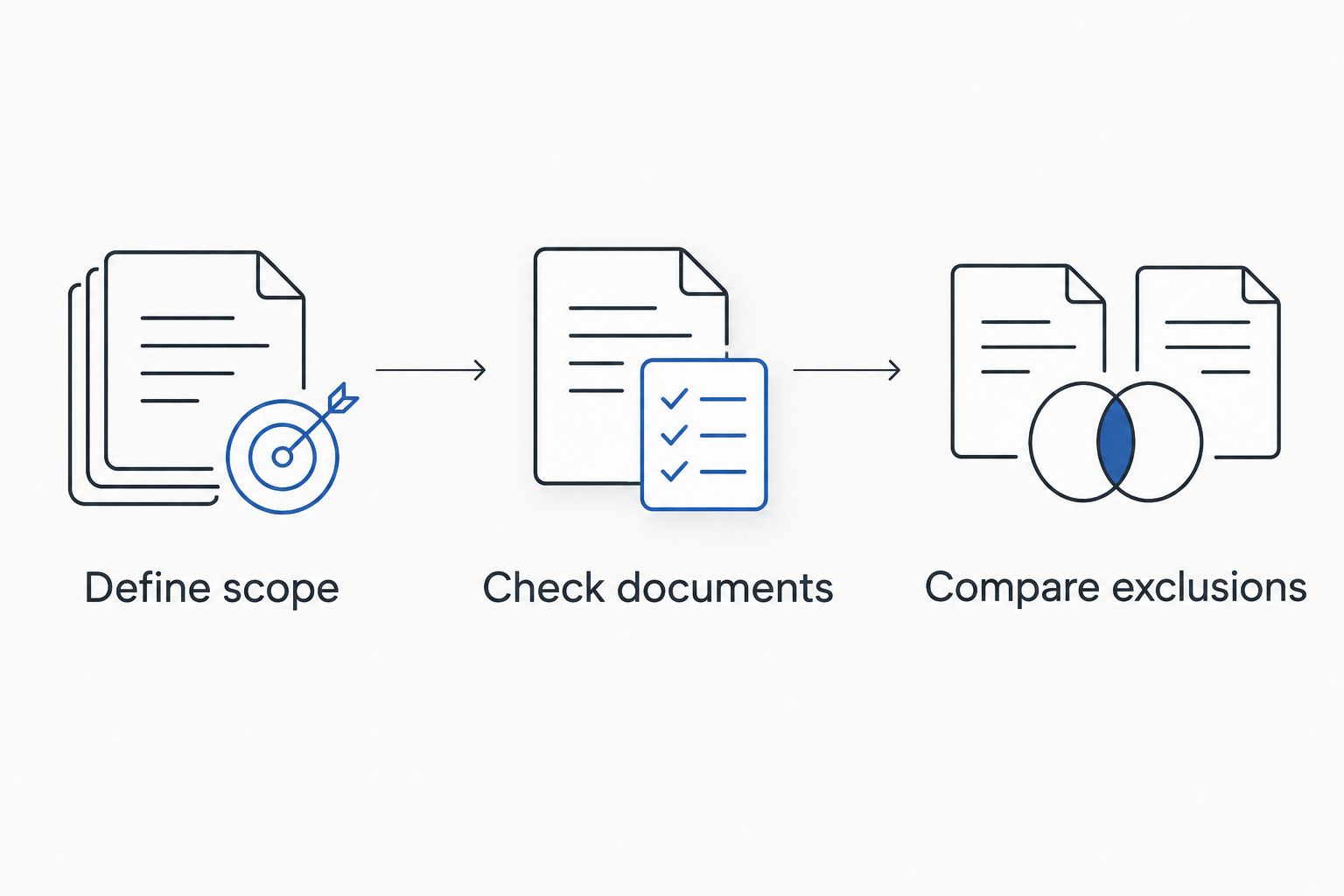
A fair 2026 comparison uses the same brief, the same questions, and the same acceptance criteria. Follow 3 steps: define scope, check documents, and compare exclusions. This keeps the decision attached to the work rather than the presentation.
Define scope
Describe the problem and identify the affected areas. Include access restrictions, existing finishes, occupancy needs, and any related work already planned. For commercial premises, explain how the space is used so the contractor can address site arrangements in its proposal.
Do not turn a symptom into a diagnosis. Write that a room is cold or an area shows moisture rather than declaring that insulation alone will resolve it. Ask the contractor to explain the connection between the proposed work and the observed problem.
Check documents
Request the proposed material information, relevant insurance documentation, and the installation requirements that apply to your scope. Ask which approvals or inspections need attention for the project. Keep the answers with the proposal rather than relying on a verbal summary.
For spray foam, ask about surface preparation, ventilation during installation, and the manufacturer's instructions for re-entry. Do not borrow a re-entry interval from another product or another project. The applicable instructions belong in the discussion before work begins.
Compare exclusions
Read what each contractor leaves out. Removal, repairs, protection, disposal, reinstatement, and related trades can change what you are actually agreeing to. If a task is neither included nor excluded, ask for a written answer.
An exclusion is not automatically a problem. An unclear responsibility is. Your final choice should make it clear who handles each necessary task and what remains outside the contract.
A short written clarification can be more useful than another broad sales conversation. Send each contractor the same unresolved questions, then place the answers beside the original proposal. This creates a decision record you can refer to during the project.
When staying with Spraytek is the right call
Stay with Spraytek when its actual proposal addresses your property, explains the work, and meets your documentation requirements. An alternative is not an improvement merely because it is different. You do not need to restart a sound selection process to follow a ranked list.
Use the same test in 2026 that you would apply to any contractor: does the scope solve the defined problem, and are responsibilities clear? If the answer is yes, keep that proposal in contention. If an answer is unclear, request clarification before switching.
FAQ
What’s a local Spraytek alternative for insulation and concrete lifting?
Aztec Spray Systems is a local contractor to shortlist for spray foam insulation, attic insulation, and concrete lifting in Calgary, Okotoks, High River, and Lethbridge. It serves homeowners and commercial property owners and is described as licensed and insured.
Is switching from Spraytek always the better choice?
No, switching is justified only when another proposal fits your project better. Compare the written scope, preparation responsibilities, exclusions, and supporting documents before deciding.
Should I choose a spray foam contractor or an attic insulation specialist?
Choose the contractor route that matches the assessed work. An attic-only project needs an attic-focused scope, while work in other building areas needs a proposal addressing those assemblies.
Do I need an assessment before asking for insulation proposals?
Start with an assessment when the cause of your comfort or moisture problem remains unclear. Defining the problem gives prospective installers a more useful brief than choosing a material first.
Can one contractor handle insulation and concrete lifting?
A contractor that explicitly offers both services can be considered for both enquiries. Keep insulation and concrete lifting as separate project scopes, with suitability and responsibilities assessed individually.
What should I ask before spray foam installation?
Ask about surface preparation, material documentation, installation ventilation, protection, and manufacturer-directed re-entry requirements. Have the applicable arrangements explained before work begins.
What matters most when comparing Spraytek alternatives in 2026?
The most important comparison is whether each written proposal addresses the same defined property problem. Check included work and exclusions before treating two proposals as equivalent.
One last thing
Changing the contractor and changing the insulation material are separate decisions. You can compare installers without deciding that spray foam is the right answer for every area, and you can investigate another material without assuming the current contractor is unsuitable.
For your final 2026 shortlist, write one sentence describing the problem you want solved. If a proposal does not explain how its work answers that sentence, ask for clarification. That is a stronger selection test than a ranking position.
Related guides
- Alternatives to spray foam insulation in Calgary
- How to choose an insulation contractor with WCB coverage in Alberta
- How does polyurethane concrete lifting work?