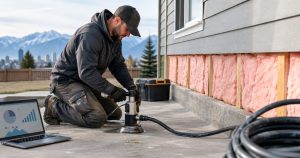
Attic performance plays a major role in how comfortable and energy-efficient a home feels throughout the year in Calgary. Many homeowners are surprised by how much heat escapes through the attic during cold months and how much warmth enters during summer. Misunderstandings about insulation often lead to choices that do not fully support long-term home efficiency or comfort.
Aztec Spray Foam Insulation Systems, based in Calgary, Alberta, works with homeowners to improve building performance through proper insulation solutions. Home efficiency often depends on how well heat loss is controlled and how effectively insulation supports stable indoor conditions, especially when evaluating upgrades, materials, and installation quality in residential properties.

Introduction to Attic Insulation in Calgary Homes
Attic insulation affects how a home handles heat movement between indoor and outdoor spaces throughout the year. In Calgary, shifting temperatures place consistent demand on roof systems, making attic performance a key factor in indoor comfort and energy use.
Climate Conditions Affecting Attic Performance
Calgary’s temperature swings increase heat transfer through roofs and attic spaces, making attic insulation important for overall home efficiency. Warm air often rises and escapes through weak attic areas in winter, while roof surfaces can transfer heat indoors during warmer months. Roof design, ventilation, and insulation coverage all affect temperature control and influence how hard heating and cooling systems need to work.
How Misconceptions About Insulation Develop
Homeowners often receive general advice that does not match Alberta’s climate or housing design differences. Information from milder regions can lead to expectations that do not fit Calgary’s seasonal conditions. Performance depends on more than insulation type or thickness, since air control and attic structure interaction strongly influence real results in the home.
Myth 1 – “New homes do not need attic insulation upgrades”
Modern construction does not automatically eliminate heat loss issues in attic spaces. Many new homes still experience energy loss through areas that are not fully sealed or insulated to match performance expectations.
Heat Loss Pathways in Modern Construction
Air leakage can still occur through roof joints, framing gaps, and openings for lighting, ductwork, or ventilation. These penetrations can allow air movement between the attic and living areas if not properly sealed. Even small gaps can lead to ongoing heat loss, especially during colder periods.
Design Factors That Influence Insulation Needs
Roof design, ventilation layout, and construction methods all affect how well an attic retains heat. Homes vary in structure, and features like steep rooflines, complex attic shapes, or uneven airflow can increase heat transfer in certain areas. Insulation performance depends on how well these elements function together to maintain stable indoor temperatures.
Myth 2 – “More insulation automatically improves efficiency”
Adding insulation alone does not always lead to better energy performance in a home. The way insulation interacts with air movement and installation quality has a direct impact on overall results.
Why Insulation Thickness Alone is Not Enough
Thermal performance depends on reducing air movement, not only increasing insulation depth, which is a common misunderstanding in insulation upgrades. Insulation works best when it limits both heat transfer and air leakage.
If air continues to move through gaps or unsealed areas, heat can still escape regardless of how much material is added. In many homes, performance gains come from controlling airflow rather than simply increasing insulation layers.
Effects of Improper Installation
Uneven placement can create weak points where heat escapes more easily, reducing the benefits expected from energy-efficient attic insulation. Attic spaces often include irregular framing, tight corners, and service openings that require careful coverage.
If insulation is installed inconsistently, certain areas may remain exposed to heat loss. These weak points reduce overall efficiency and limit the performance improvements expected from upgraded insulation systems.
Myth 3 – “All insulation materials behave the same way”
Different insulation materials do not perform in the same manner, even if they are installed in similar attic spaces. Their ability to control heat flow and limit air movement varies based on composition and application method.
Differences In Material Performance
Insulation types vary in how well they resist air movement and slow heat transfer, which directly impacts insulation performance. Fibreglass, cellulose, and spray foam each respond differently to temperature changes and airflow.
Some materials mainly slow heat transfer, while others also reduce air movement through small gaps. These differences influence how effectively an attic maintains stable indoor conditions over time.
Spray Foam Behaviour in Attic Applications
Spray foam expands during application and helps seal small gaps within roof structures, making it a preferred option for energy-efficient attic insulation systems. During installation, spray foam expands to fill cavities and hard-to-reach areas within attic structures.
This expansion helps reduce gaps that allow air movement between indoor and attic spaces. The sealing effect contributes to more consistent thermal performance across the roof system.
Myth 4 – “Attic insulation has little effect on utility bills”
Attic performance has a direct link to how much energy a home uses throughout the year. Heat transfer through the roof system influences how often heating and cooling equipment must run.
Connection Between Attic Heat Loss and Energy Use
Heat escaping through the attic increases demand on heating systems during colder months, which is why proper attic insulation matters for cost control. When warm air escapes through the attic, indoor temperatures drop faster, leading to longer furnace cycles to maintain comfort levels. This continuous heat loss increases energy consumption and places additional load on heating systems during winter periods.
Seasonal Energy Consumption Patterns
Homes with improved insulation typically experience lower energy usage during winter and summer extremes when supported by attic insulation contractors in Calgary who understand local conditions.
In colder months, reduced heat loss helps maintain indoor warmth with less energy input. During warmer seasons, better roof insulation reduces heat gain from outside, lowering cooling demand. Over time, these seasonal effects contribute to more balanced energy use throughout the year.
Myth 5 – “Attic insulation can be installed without professional help”
Attic insulation work involves more than placing material into open spaces. The structure, layout, and existing systems inside an attic affect how the insulation performs after installation.
Installation Challenges in Attic Environments
Attics contain structural elements and utilities that require careful handling during installation, which is why attic insulation contractors in Calgary are often required. Most attic spaces include framing members, electrical wiring, ventilation ducts, and tight access areas.
These conditions make it difficult to install insulation evenly without disrupting existing systems. Working around these elements requires attention to layout and safety considerations to avoid leaving uninsulated sections.
Importance of Proper Coverage and Sealing
Gaps or inconsistent application reduce the effectiveness of materials designed for energy-efficient attic insulation. Insulation performance depends on continuous coverage across all exposed areas.
When gaps are left open or material is unevenly applied, heat can still move freely through the attic space. Proper sealing around edges, corners, and penetrations helps maintain consistent thermal control throughout the structure.
Practical Benefits of Attic Insulation for Calgary Homes
Attic insulation influences how a home performs across changing seasons in Calgary. Proper installation affects temperature stability, energy use, and the overall condition of roof structures over time.
Reduced Heat Transfer
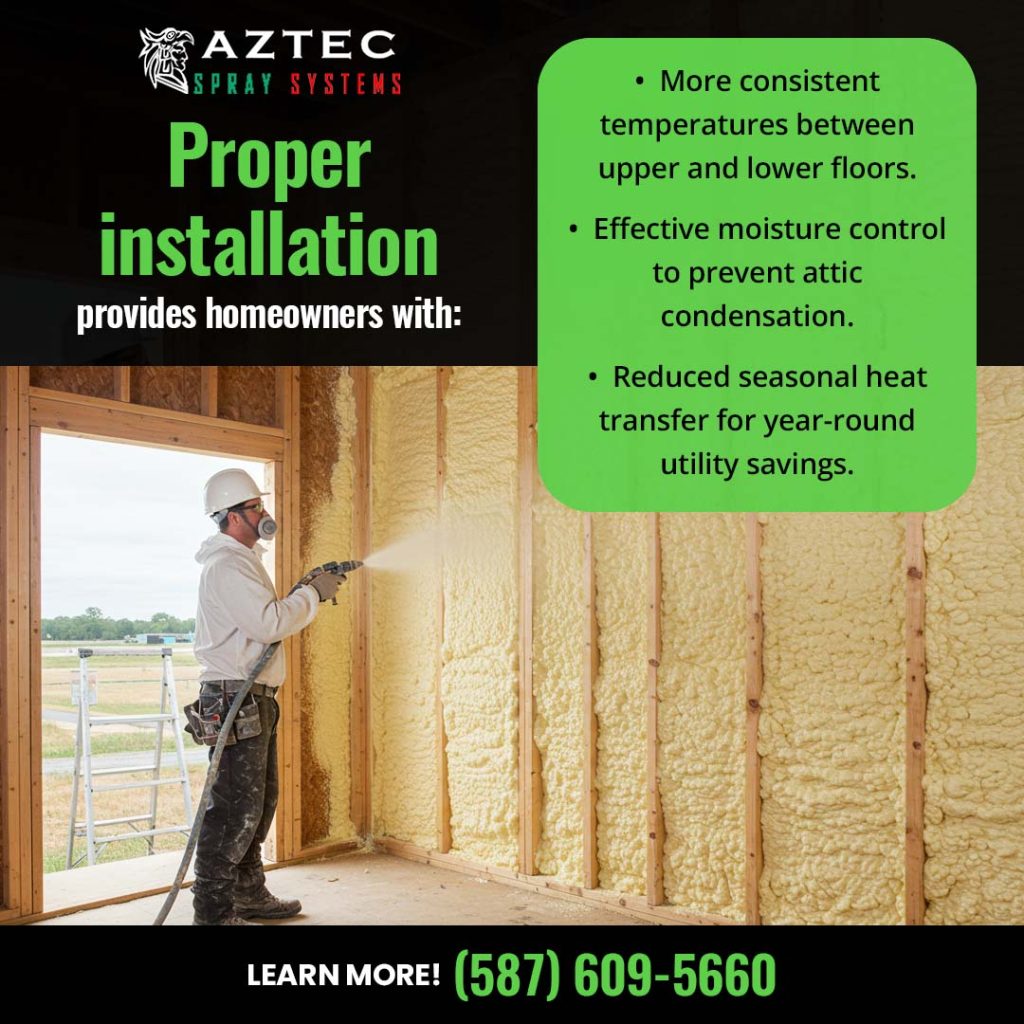
Proper insulation limits unwanted heat exchange between indoor and outdoor environments, improving overall insulation performance. A well-insulated attic slows the movement of heat through the roof system. This helps keep warm air inside during colder months and reduces heat entry during warmer periods. The result is a more controlled thermal environment across the entire home.
More Consistent Indoor Temperatures
Rooms experience fewer temperature fluctuations across different seasons when insulation is properly installed. When attic spaces are properly insulated, temperature differences between floors become less noticeable. Upper levels remain closer in temperature to lower living areas, reducing discomfort caused by uneven heating or cooling.
Moisture Control in Attic Spaces
Improved insulation helps reduce condensation buildup on structural surfaces, supporting long-term attic protection. Temperature regulation within the attic reduces conditions where moisture can form on cold surfaces. This helps protect roof framing materials and lowers the likelihood of moisture-related deterioration over time.
Better Indoor Air Conditions
A more sealed attic limits the entry of dust and outdoor particles into living areas, a common benefit of modern insulation systems. When air movement between the attic and living space is reduced, fewer external particles enter the home. This contributes to cleaner indoor air and reduces the spread of dust throughout rooms.
Role of Aztec Spray Foam Insulation Systems in Attic Insulation Services
Aztec Spray Foam Insulation Systems provides attic insulation and spray foam services for residential and commercial properties in Calgary and Southern Alberta. Our work focuses on improving thermal performance in homes and buildings through proper insulation methods. We support a wide range of property types where attic insulation and spray foam applications are needed to manage heat loss and energy use.
Project Approach and Planning
Each project we take on is planned based on the property structure and the specific energy-efficient attic insulation needs of the building. We understand that every home has a different attic layout, ventilation setup, and insulation condition. Because of this, we plan our work around the actual structure rather than using a single approach for every property. This allows us to address heat loss areas more effectively and support better indoor temperature stability.
Focus on Energy Performance Improvement
Our services at Aztec Spray Foam Insulation Systems are designed to reduce heat loss and improve overall thermal stability in homes through proper installation. We focus on limiting heat transfer through roof systems and improving how indoor temperatures are maintained across seasonal changes. Proper insulation installation helps reduce strain on heating and cooling systems and supports more balanced indoor comfort.
Customer Service Approach
We follow a structured communication process from the first contact through to project completion, supporting homeowners looking for attic insulation contractors in Calgary. We make sure clients receive clear information about service options, project steps, and expected outcomes. Communication remains consistent throughout the process so homeowners understand each stage of the work from start to finish.
Take the Next Step Toward Better Home Comfort
Improving attic insulation can help reduce heat loss and support more stable indoor temperatures throughout the year in Calgary homes. Our team at Aztec Spray Foam Insulation Systems is ready to help with professional guidance and service options tailored to your property. Ready to get started? Call (587) 609-5660 or click here to request your free estimate today.