Attic insulation upgrades raise resale value in Calgary, Okotoks, High River, and Lethbridge because they close the single most common flag on an Alberta home inspection report: ceiling insulation that falls short of the R-50 to R-60 minimum most inspectors check against in 2026. The hidden cost buyers don't see in the listing photos is the heating bill an under-insulated attic quietly adds every winter, which is exactly what a home inspector's moisture and heat-loss reading exposes during a sale.
- Attic insulation resale value comes from clearing Alberta’s R-50/R-60 code check on home inspections in 2026, not from a cosmetic upgrade.
- Spray foam reaches R-6.5 per inch versus R-2.2 to R-2.7 per inch for blown-in fiberglass, so it hits target R-value in a shallower cavity.
- Homes with documented Canada Greener Homes Grant paperwork give agents a concrete energy-savings talking point for the listing.
- Aztec Spray Systems upgrades attic insulation before a listing goes live in Calgary, Okotoks, High River, and Lethbridge.
Why this matters
A buyer's agent in 2026 is trained to ask what year the attic insulation went in, and a vague or blank answer stalls the offer while the buyer's own inspector digs into it. An appraiser doesn't assign a line item for insulation, but a failed or borderline heat-loss reading on the inspection report gives the buyer's side leverage to renegotiate price or demand repairs before closing.
That's the practical mechanism behind attic insulation resale value: it's not a cosmetic upgrade that buyers coo over, it's a defect that stops showing up on paper. Sellers who insulate a home before selling it remove that leverage before it exists.
Does attic insulation increase resale value?
Yes, indirectly and consistently: it removes an inspection flag, lowers the energy-cost objection buyers raise during walkthroughs, and gives the listing agent a documented upgrade to put in the description. Here's how an under-insulated attic compares to an upgraded one at the point of sale in 2026.
| Factor | Old / under-insulated attic | Upgraded attic insulation |
|---|---|---|
| R-value vs Alberta code | Often R-20 to R-30 in older Calgary-area homes | R-50 to R-60, meeting current code |
| Inspection flag risk | High — heat-loss imaging shows gaps | Low — even coverage, no thermal bridging |
| Buyer energy-cost objection | Common during walkthroughs | Rare, especially with documentation |
| Rebate/grant paperwork | None available | Canada Greener Homes Grant records transferable to buyer |
| Ice damming history | Frequent in Calgary winters with gaps | Reduced with continuous air-seal layer |
Spray foam attic insulation: R-6.5 per inch
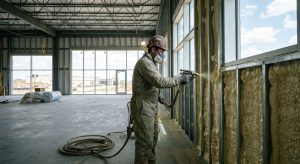
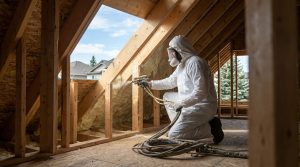
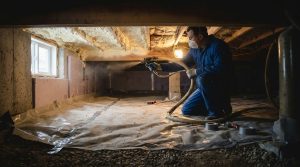
Closed-cell spray foam runs roughly R-6.5 per inch, which means an attic can hit R-49 to R-60 without the deep loose-fill depth an older home's joists sometimes can't accommodate. It also air-seals as it cures, which is what actually stops the ice damming that shows up as a red flag during winter showings.
Best for: sellers on a tighter timeline who need code-level R-value in a shallow attic cavity. Verdict: Buy if the home has knee walls, cathedral sections, or limited joist depth.
Blown-in fiberglass: R-2.2 to R-2.7 per inch
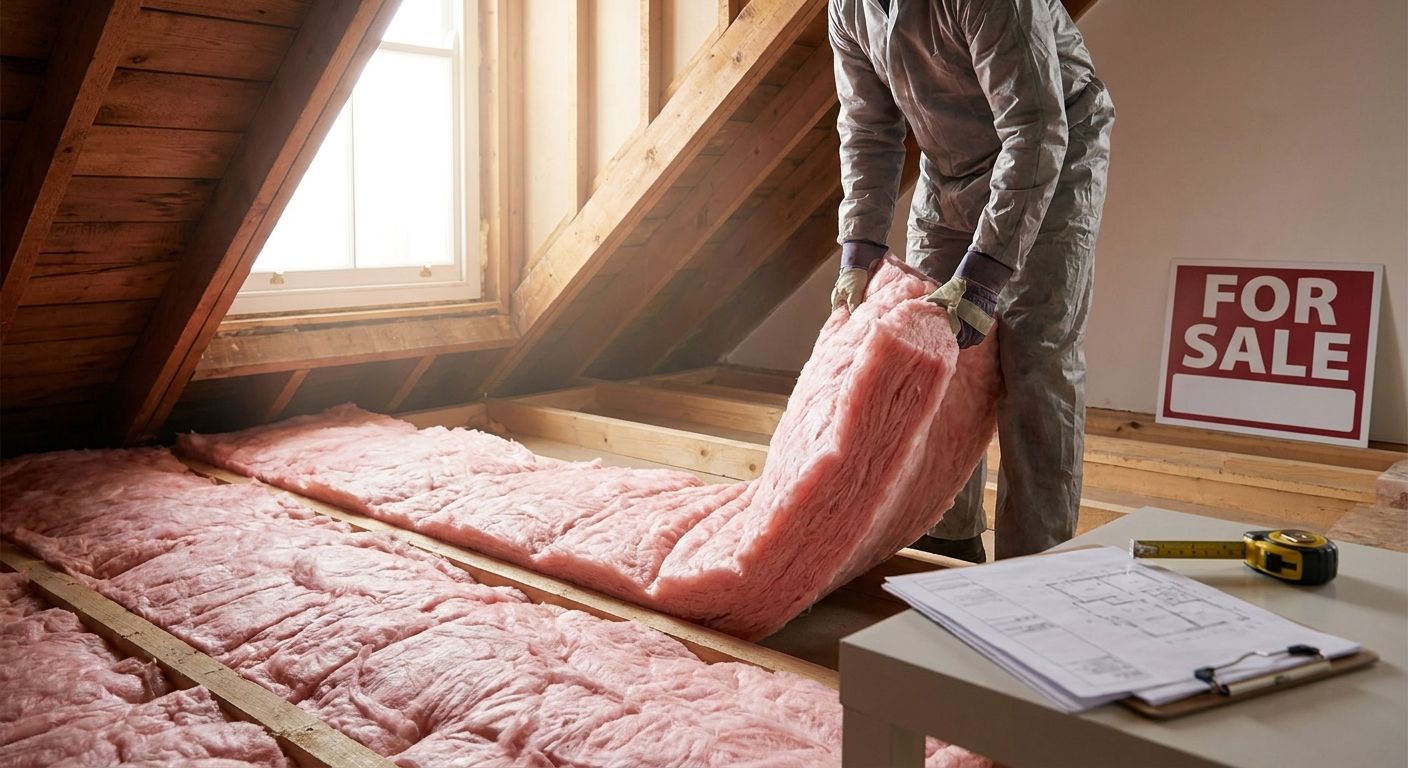
Blown-in fiberglass costs less per R-value point but needs more depth to reach R-50, which isn't always available in older Calgary bungalows with shallow attic trusses. It doesn't air-seal on its own, so gaps around wiring penetrations and top plates stay unless someone hand-seals them first.
Best for: open, deep attic spaces with no ventilation or wiring complications. Verdict: Hold for flat, unobstructed attics; Skip if the home has cathedral ceilings or knob-and-tube wiring nearby.
Why resale value gains vary
- Age of the home and existing baseline — a 1970s Calgary bungalow with R-20 in the attic sees a bigger inspection-report swing than a 2015 build already close to code.
- R-value actually achieved — hitting R-50 clears the standard check; stopping at R-35 still leaves a flag on the report.
- Documentation available — Canada Greener Homes Grant paperwork and contractor invoices give the listing agent something concrete to show, not just a verbal claim.
- Buyer segment — energy-conscious buyers and young families weigh this heavily; investor flip buyers weigh it less.
- Ice damming or moisture history — a home with a documented history of ice dams sells the upgrade harder than one without.
- Timing relative to listing — insulation done six months before listing photographs better in paperwork than a rushed job the week of showings.
Get your attic assessed before listing
Aztec Spray Systems checks current R-value and quotes the upgrade.
Does spray foam insulation increase home value more than fiberglass?
Spray foam reaches R-6.5 per inch against fiberglass's R-2.2 to R-2.7 per inch, so it clears code-level R-value in attics where joist depth is limited, which is the scenario most likely to fail an inspection in the first place. Both materials satisfy resale expectations once they hit R-50 to R-60 — the difference is which one gets there in the attic you actually have.
How much attic insulation do I need before selling a Calgary-area home?
Most Calgary-area homes need R-50 to R-60 in the ceiling to clear the standard heat-loss check inspectors run in 2026. Homes built before the 1990s often sit at R-20 to R-30 today, which is the gap a pre-listing upgrade closes.
Do Alberta home inspectors check attic insulation?
Yes, Alberta home inspectors routinely check attic insulation depth and use thermal imaging to spot uneven coverage during a pre-sale inspection. A gap or thin patch shows up as a visible cold spot on the imaging, which becomes a negotiation point even if the seller never mentions insulation at all.
FAQ
Does attic insulation increase resale value in Calgary?
Attic insulation increases resale value indirectly by clearing the R-50 to R-60 code check most Alberta inspectors run in 2026, which removes a common negotiation point. Homes without it often see buyers request a price reduction after the inspection report comes back.
What R-value do I need in my attic before selling?
Most Calgary-area homes need R-50 to R-60 in the attic to meet the standard inspectors check against in 2026. Older homes built before the 1990s often sit at R-20 to R-30, which is the typical gap a pre-listing upgrade closes.
Is spray foam or blown-in insulation better for resale?
Spray foam reaches R-6.5 per inch versus R-2.2 to R-2.7 per inch for blown-in fiberglass, making it the faster route to code-level R-value in shallow attics. Deep, unobstructed attics can reach the same R-value with blown-in fiberglass at a lower material cost.
Do buyers ask about attic insulation during showings?
Buyers rarely ask directly, but their inspector checks it during the home inspection and flags gaps on the report. That flag then becomes a talking point in price negotiations after the offer is accepted.
Can I get a rebate for attic insulation before selling?
The Canada Greener Homes Grant program has covered eligible attic insulation upgrades, and the paperwork can be transferred to the buyer as documentation. Check current program status before assuming eligibility, since federal programs change enrollment windows.
How long before listing should attic insulation be upgraded?
Upgrading attic insulation at least a few months before listing gives time to gather contractor invoices and rebate paperwork for the listing package. A rushed job done the week of showings looks less credible to a buyer’s agent than a documented upgrade from earlier in the year.
Does attic insulation help with ice damming during a sale?
Yes, an air-sealed attic layer reduces the heat loss that causes ice damming, which is a visible defect buyers notice during winter showings. A home with a documented ice-damming history benefits more from the upgrade than one without.
One last thing
The detail most sellers miss isn't the R-value number, it's the paperwork trail: an inspection report that says "insulation upgraded, invoice on file" reads completely differently to a buyer's agent than a verbal claim with nothing behind it. Keep the contractor invoice, the R-value spec sheet, and any grant confirmation together in one folder before the home goes on the market in 2026 — that folder is what turns a passed inspection into a selling point instead of a non-issue nobody mentions.
Related guides