If you're experiencing skyrocketing energy bills, uneven room temperatures, cold walls and floors, drafty windows, ice dams, frozen pipes, or live in an older home, your Calgary property likely needs insulation upgrades. These symptoms signal significant thermal envelope failures that can drain your wallet and compromise your home's structural integrity. Calgary's variable climate amplifies these issues, making professional energy audits critical for identifying specific insulation deficiencies. Targeted solutions like spray foam, blown-in cellulose, and strategic weatherstripping can transform your home's energy efficiency. Curious about the diagnostic details that could save you thousands? Your detailed thermal performance roadmap awaits.
Key Takeaways
- High energy bills and uneven room temperatures indicate poor insulation, potentially increasing energy consumption by up to 40% in Calgary homes.
- Persistent drafts around windows, doors, and electrical outlets suggest significant air leakage and compromised thermal envelope performance.
- Ice dams on your roof and frozen pipes are critical warning signs of inadequate insulation, risking potential structural damage and heat loss.
- Cold walls, floors, and noticeable temperature variations between rooms reveal serious insulation failures that demand immediate professional assessment.
- Homes built before 2000 likely require thermal envelope upgrades, with professional energy audits recommended to identify specific insulation deficiencies and targeted solutions.
Skyrocketing Energy Bills
One telltale sign your home might have inadequate insulation is an unexplained surge in energy costs. When your monthly utility bills start climbing without a corresponding increase in usage, it's time to investigate your home's energy efficiency. Poor insulation creates significant thermal gaps, allowing heat to escape during winter and infiltrate during summer, forcing your HVAC system to work overtime.
Precise thermal diagnostics reveal that insufficient insulation materials can drive up energy consumption by 30-40%. Your home fundamentally becomes a leaky container, with conditioned air constantly escaping through walls, attics, and floors. This constant energy loss translates directly into higher electricity and heating bills that strain your household budget.
Modern insulation technologies offer strategic solutions to combat these escalating costs. Conducting a professional energy audit can pinpoint exactly where your home is losing thermal energy. Infrared scanning and blower door tests can identify specific areas of heat transfer, helping you make targeted insulation upgrades.
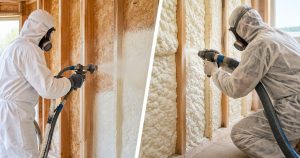
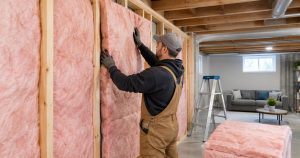
Your home's comfort and financial well-being depend on effective thermal barriers. Upgrading insulation isn't just about reducing bills—it's about creating a more stable indoor environment. Recommended materials like spray foam, fiberglass batts, or cellulose can dramatically improve your home's thermal performance.
Don't let inefficient insulation continue draining your finances. Investing in proper insulation materials isn't an expense; it's a long-term strategy for energy efficiency that will pay dividends through reduced utility costs and improved home comfort.
Uneven Room Temperatures
If you've noticed significant temperature variations between rooms, your home might be suffering from poor insulation. You can detect these uneven temperature zones by walking from one room to another and feeling distinct cold or hot spots, which often indicate thermal leakage and inadequate insulation barriers. Professional draft detection techniques can help you pinpoint specific areas where heat transfer is occurring, revealing potential insulation weaknesses that compromise your home's thermal efficiency.
Cold and Hot Zones
Throughout your home, drastic temperature variations between rooms signal potential insulation failures that compromise general thermal performance. These cold and hot zones often indicate inadequate insulation materials and problematic thermal bridging within your home's structural envelope.
When you notice significant temperature differences between adjacent rooms or specific areas feeling noticeably warmer or cooler, it's a clear diagnostic indicator of insulation deficiencies. Thermal bridging—where heat transfers through structural elements like studs, joists, and window frames—can create these uncomfortable temperature inconsistencies.
Your living spaces shouldn't feel like distinct microclimates. Bedrooms might feel frigid while living areas remain warm, or sunlit rooms could become unbearably hot while shaded spaces remain chilly. These temperature disparities suggest your home's insulation isn't performing uniformly.
Infrared thermal imaging can precisely map these temperature variations, revealing exactly where your insulation is failing. Professional energy auditors can help identify specific zones requiring intervention, whether through adding blown-in insulation, installing rigid foam boards, or addressing air leakage points.
Draft Detection Trouble
Temperature inconsistencies often reveal themselves through pervasive drafts, which signal deeper insulation and air sealing failures across your home's thermal envelope. These draft sources can greatly undermine your home's energy efficiency, creating uncomfortable temperature variations between rooms and increasing your heating and cooling expenses.
Professional draft detection involves strategic diagnostic techniques. You'll want to conduct a thorough inspection around window frames, door thresholds, electrical outlets, and potential wall penetrations. Use incense sticks or specialized thermal leak detectors to identify precise draft locations. Cold air infiltration points typically manifest as noticeable temperature drops or subtle air movement.
Draft solutions require methodical intervention. Weatherstripping around doors and windows provides an immediate, cost-effective barrier. Caulking small gaps and installing foam gaskets behind outlet covers can considerably reduce air leakage. For more extensive draft sources, consider professional energy audits that utilize blower door tests to quantify and locate precise air transfer points.
Calgary homeowners should recognize that unaddressed drafts represent more than comfort issues—they're direct indicators of compromised thermal performance. Implementing targeted draft solutions not only stabilizes indoor temperatures but also reduces long-term energy consumption and associated utility costs.
Cold Walls and Floors
When winter's chill seeps through your home's surfaces, cold walls and floors can signal serious insulation failures. These temperature disparities aren't just uncomfortable—they're diagnostic indicators of potential thermal performance breakdowns in your home's envelope.
Walls and floors shouldn't feel like ice when you touch them. If your interior surfaces consistently register temperatures considerably lower than room ambient, you're experiencing thermal bridging—a phenomenon where heat transfers directly through structural elements with minimal resistance. This occurs when insulation materials are inadequate, improperly installed, or have degraded over time.
Calgary's climate demands robust insulation strategies. Infrared thermography can precisely map temperature variations, revealing where your home's thermal protection fails. Cold spots often indicate gaps in insulation, compromised building materials, or structural discontinuities that permit heat loss.
Your home's perimeter walls and foundation interfaces are particularly vulnerable. Concrete slab edges, basement walls, and exterior framing frequently experience substantial heat transfer. Inadequate insulation materials like aging fiberglass or compressed cellulose can't effectively prevent thermal migration.
Professional energy auditors can conduct thorough assessments, measuring wall and floor surface temperatures using specialized equipment. They'll identify specific zones requiring intervention, whether through supplemental insulation, air sealing, or extensive retrofit solutions.
Don't tolerate persistent cold surfaces. They're not just uncomfortable—they're expensive. Each degree of heat loss translates directly into increased energy consumption and higher utility expenses. Strategic insulation improvements can dramatically improve your home's thermal performance and comfort.
Drafty Windows and Doors
Drafty windows and doors can signal significant insulation deficiencies in your home, revealing potential energy inefficiencies through cold air seeping around window and door frames. You'll notice visible draft signals when air currents penetrate gaps in window seals, creating noticeable temperature variations and increasing your heating and cooling costs. These draft points not only compromise your home's thermal performance but also indicate areas where immediate weatherstripping or professional insulation interventions may be necessary.
Cold Air Seeping
Cold air infiltration through windows and doors represents a critical diagnostic indicator of insufficient home insulation. When cold air seeps into your living spaces, it compromises both air quality and comfort levels, signaling potential thermal envelope weaknesses. You'll notice temperature inconsistencies, with some rooms feeling noticeably colder than others, indicating compromised structural integrity.
Diagnostic assessment involves carefully examining window and door seals, looking for microscopic gaps and deteriorating weatherstripping. These minute openings allow uncontrolled air exchange, creating energy inefficiency and reducing your home's thermal performance. Infrared thermal imaging can precisely identify these infiltration points, revealing hidden thermal bridges where heat escapes and cold penetrates.
Calgary's harsh winter conditions amplify these insulation challenges. Your home's thermal resistance directly impacts energy consumption and living comfort. Professional energy auditors can quantify air leakage rates, helping you understand the extent of your insulation deficiencies. Potential remediation strategies include installing high-performance weatherstripping, applying specialized sealants, and replacing older windows with double or triple-pane alternatives.
Window Frame Gaps
Window frame gaps represent a critical thermal performance vulnerability in residential structures, often manifesting as microscopic yet consequential breaches in the building envelope. These seemingly minor discontinuities can compromise your home's thermal integrity, leading to significant energy inefficiencies and increased utility expenditures.
When inspecting window frames, you'll want to conduct a thorough diagnostic assessment. Use a candle or incense stick to detect air movement, which indicates potential drafting zones. Professional-grade infrared thermal imaging can precisely map temperature differentials, revealing exact locations of thermal leakage.
Window sealing techniques become paramount in mitigating these vulnerabilities. Weatherstripping provides an immediate, cost-effective solution for addressing minor gaps. For more substantive frame insulation options, consider polyurethane foam sealants or professional-grade caulking compounds designed for exterior applications.
Calgary's temperature fluctuations amplify the importance of meticulous window frame maintenance. Even small gaps can result in substantial heat loss during winter and unwanted heat infiltration during summer months. By systematically addressing these thermal breaches, you'll improve your home's energy efficiency, reduce environmental impact, and create a more comfortable living environment.
Proactive intervention prevents costly long-term structural degradation and maintains ideal indoor climate control.
Visible Draft Signals
While window frame gaps provide one vector of thermal performance compromise, perceptible air movement through residential apertures represents another significant diagnostic indicator of insulation inadequacy. You'll want to carefully assess your home's air pressure dynamics by detecting visible draft signals around doors and windows.
Thermal imaging can reveal critical insights into your home's thermal envelope, exposing unexpected air infiltration points. When you feel consistent air movement near window and door frames, it's a clear signal that your insulation system requires strategic intervention. These drafts indicate compromised sealing mechanisms and potential energy inefficiency.
Calgary's fluctuating climate demands robust thermal barriers. You'll recognize problematic draft zones through distinct sensory cues: noticeable temperature variations, lightweight curtains moving without external wind influence, and perceptible air currents across interior surfaces. These indicators suggest structural vulnerabilities in your home's thermal protection infrastructure.
Professional energy auditors can precisely map these draft pathways using advanced diagnostic technologies. By identifying and addressing these thermal discontinuities, you'll improve your home's energy efficiency, reduce heating and cooling expenses, and create a more comfortable living environment that maintains consistent interior temperatures.
Ice Dams on Roof
You'll recognize ice dams by their distinctive ridge-like appearance along your roof's edges. They're not just unsightly; they're a vital indicator of inadequate roof maintenance and insulation materials. When warmth from your home rises and melts snow unevenly, it creates a cycle of melting and refreezing that can compromise your roof's structural integrity.
The risks are significant. Ice dams can cause water to back up under shingles, leading to interior water damage, wood rot, and potential mold growth. Your home's insulation plays an essential role in preventing these formations. Proper attic insulation creates a consistent temperature barrier, reducing heat transfer and minimizing snow melt on your roof's surface.
Professional energy audits can help you diagnose the root causes of ice dam formation. They'll assess your current insulation materials and recommend targeted improvements. You might need extra attic insulation, improved ventilation, or sealing air leaks around roof penetrations.
Don't wait for extensive damage to occur. Proactive roof maintenance and strategic insulation upgrades can save you thousands in potential repair costs. By addressing ice dam risks, you're not just protecting your home—you're investing in its long-term structural health and efficiency.
Frozen Pipes and Condensation
Winter's harsh grip can expose your home's insulation vulnerabilities through a critical diagnostic indicator: frozen pipes and condensation patterns. These warning signs reveal deeper structural thermal inefficiencies that demand immediate attention. When your pipes freeze, it's more than a plumbing problem—it's a clear signal that your home's thermal envelope is compromised.
Frozen pipe prevention starts with understanding your home's thermal weak points. Inadequate insulation around pipe runs, especially in unheated spaces like attics, crawl spaces, and exterior walls, creates temperature differential zones where water can rapidly convert to ice. These vulnerable areas require strategic insulation interventions, typically involving foam pipe sleeves, heat tape, or extensive wall cavity insulation upgrades.
Condensation issues further underscore insulation deficiencies. When warm, moisture-laden interior air contacts cold surfaces, water droplets form—indicating significant temperature and humidity imbalances. This moisture accumulation can lead to structural damage, mold growth, and accelerated material degradation. Your home's windows, basement walls, and ceiling junctures are prime condensation risk zones.
Diagnostic precision matters. You'll want to measure surface temperatures, assess humidity levels, and identify thermal bridging points. Professional energy auditors can perform thorough thermal imaging to pinpoint exact insulation weaknesses. Infrared scanning reveals hidden gaps, showing precisely where your home's thermal protection fails.
Proactive homeowners recognize these signs as opportunities for targeted insulation improvements. By addressing frozen pipe risks and condensation patterns, you'll improve your home's energy efficiency, protect its structural integrity, and create a more comfortable living environment.
Age of Your Home
In the course of home construction and thermal performance, the period of your dwelling stands as a critical determinant of insulation effectiveness. Older homes, particularly those constructed before the 1980s, typically feature inadequate insulation materials that fail modern energy efficiency standards. You'll want to recognize that your home's lifespan directly correlates with its potential thermal vulnerabilities.
Homes built prior to contemporary building codes often have insufficient wall cavity insulation, compromising your indoor temperature regulation and energy consumption. Vintage constructions might rely on outdated insulation technologies like vermiculite, cellulose, or early fiberglass batts that degrade substantially over decades. Your home renovation strategy should prioritize thorough thermal assessment based on its chronological lifespan.
Structural shifts and material degradation compound insulation challenges in aging properties. Wood-frame structures experience dimensional changes, creating gaps that compromise thermal barriers. Moisture intrusion, settling foundations, and material compression further reduce insulation performance in older dwellings.
Calgary's variable climate demands strategic home insulation interventions. Homes constructed before 2000 likely require extensive thermal envelope upgrades. Professional energy auditors can precisely diagnose your specific insulation deficiencies, recommending targeted improvements like blown-in cellulose, spray foam, or advanced synthetic insulation materials.
Your home's chronological lifespan isn't merely a number—it's a critical indicator of potential thermal inefficiencies. Proactive assessment and strategic home renovation can transform an aging structure into an energy-efficient sanctuary, reducing utility costs and enhancing indoor comfort.
Frequently Asked Questions
Can Poor Insulation Lead to Mold Growth in My Calgary Home?
Poor insulation can indeed foster mold growth by trapping moisture. You'll want to invest in high-performance insulation materials like spray foam or fiberglass to prevent condensation and protect your home's structural integrity through effective mold prevention strategies.
How Much Can Proper Insulation Save on My Annual Energy Costs?
You'll save up to 30% on annual energy costs by upgrading your home's insulation materials. Strategic energy efficiency improvements can greatly reduce heating and cooling expenses, transforming your living space into a more economical and comfortable environment.
What Are the Most Common Types of Insulation for Calgary Homes?
You'll find four key insulation types in Calgary homes: spray foam provides superior air sealing, fiberglass batts offer cost-effectiveness, cellulose insulation delivers eco-friendly performance, and rigid boards guarantee precise thermal protection for your specific home's structural needs.
Is Professional Insulation Installation Better Than a DIY Approach?
Pro installation beats DIY when precision matters. You'll save long-term through expert cost comparison and superior installation techniques. Professional contractors understand Calgary's unique climate challenges, ensuring ideal thermal performance and minimizing potential costly mistakes.
Do Calgary's Extreme Temperatures Impact Home Insulation Effectiveness?
Calgary's extreme weather ruthlessly tests your home's insulation materials. You'll need robust, high-performance solutions that withstand temperature fluctuations. Specialized insulation systems engineered for local climate conditions can dramatically improve your home's thermal resilience and energy efficiency.