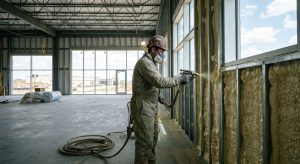
In Calgary's harsh climate, you'll want closed-cell spray foam insulation for superior thermal protection. Traditional materials like fiberglass can't match its performance, with spray foam delivering R-values of R-6 to R-7 per inch and creating an airtight seal against extreme temperatures. You'll see energy savings up to 40%, reduced moisture infiltration, and improved indoor comfort. The higher upfront cost pays off through long-term durability and efficiency, especially when Calgary experiences temperature swings from -30°C. Professional installation guarantees ideal results, transforming your building's thermal envelope. Curious about how spray foam can revolutionize your insulation strategy?
Key Takeaways
- Closed-cell spray foam offers the highest R-value (R-6 to R-7 per inch) and superior thermal performance for Calgary's extreme temperature fluctuations.
- Spray foam's moisture resistance and air-sealing capabilities make it ideal for preventing condensation and heat loss during Calgary's harsh freeze-thaw cycles.
- Despite higher upfront costs, spray foam can reduce energy consumption by up to 40%, providing significant long-term savings in heating and cooling expenses.
- Traditional insulation materials like fiberglass and cellulose are more budget-friendly but require additional air sealing to match spray foam's comprehensive thermal protection.
- Professional installation is critical for spray foam, ensuring optimal performance and compliance with Calgary's stringent building codes and energy efficiency standards.
Understanding Calgary's Insulation Challenges
While Calgary's climate presents unique insulation challenges, homeowners must carefully evaluate the thermal performance requirements specific to this region. Your home's insulation strategy must account for extreme temperature variations, ranging from scorching summers to frigid winters, where ambient temperatures can plummet to -30°C and create substantial thermal stress on building envelope systems.
Calgary's moisture management becomes critical in preventing condensation and potential structural damage. You'll need an insulation solution that effectively mitigates humidity fluctuations and prevents moisture infiltration, which can compromise your home's structural integrity and energy efficiency. The region's climate demands an insulation approach that provides superior thermal resistance while maintaining robust moisture control mechanisms.
Energy efficiency represents another paramount consideration for Calgary homeowners. Your insulation selection directly impacts heating and cooling costs, with potential annual savings ranging between 20-40% when implementing ideal thermal barriers. The right insulation strategy can considerably reduce thermal bridging, minimize heat transfer, and create a more stable indoor environment.
Thorough analysis reveals that Calgary's building science requirements necessitate a nuanced approach to insulation. You must consider factors like wind chill, solar radiation, and humidity levels when designing your thermal protection strategy. Traditional insulation methods may struggle to provide thorough protection, while advanced solutions like spray foam offer improved performance characteristics.
Your insulation choice will ultimately determine your home's comfort, durability, and operational efficiency. By understanding these regional challenges, you can make an informed decision that protects your investment and guarantees long-term structural performance.
Types of Insulation Materials Compared
Fiberglass insulation remains the most traditional option, offering moderate R-values between R-2.2 and R-2.7 per inch. Its affordability and widespread availability make it attractive, but it's less effective in preventing air infiltration compared to more advanced materials. Cellulose insulation, derived from recycled paper products, provides slightly better environmental credentials with R-values around R-3.6 to R-3.8 per inch.
Rock wool (mineral wool) emerges as a superior alternative, delivering excellent thermal resistance (R-4 to R-4.3 per inch), superior fire resistance, and exceptional sound dampening capabilities. Its dense composition minimizes air movement and provides robust thermal barriers.
Spray foam insulation represents the most technologically advanced solution. Closed-cell spray foam achieves remarkable R-values of R-6 to R-7 per inch, creating an airtight seal that dramatically reduces heat loss. While more expensive initially, its superior installation methods and extensive coverage make it an increasingly preferred choice for discerning homeowners.
Your insulation selection should balance performance metrics, environmental impact, installation complexity, and long-term energy efficiency. Each material offers unique benefits, so carefully assess your specific requirements against Calgary's demanding thermal environment to optimize your home's thermal performance.
Performance in Extreme Temperature Conditions
When considering moisture control, spray foam creates an airtight seal that traditional insulation can't match. You'll appreciate how closed-cell spray foam prevents moisture infiltration, which is essential in preventing potential structural damage during Calgary's freeze-thaw cycles. Traditional fiberglass or cellulose insulation are more vulnerable to moisture absorption, potentially compromising their thermal performance.
R-value measurements reveal spray foam's remarkable temperature stability. You'll notice that while traditional insulation experiences significant performance degradation in extreme temperatures, spray foam maintains consistent thermal resistance. Closed-cell spray foam typically offers R-values around 6-7 per inch, compared to fiberglass's 2-3 per inch, ensuring more reliable temperature regulation.
Your choice impacts long-term energy efficiency and home comfort. Spray foam's ability to create an all-encompassing thermal barrier means you'll experience more consistent indoor temperatures, reduced heat loss, and lower energy consumption. Traditional insulation might require further air sealing and vapor barriers to approach similar performance levels.
Consider the total cost of ownership beyond initial installation. While spray foam represents a higher upfront investment, its superior performance in Calgary's challenging climate can translate to significant long-term energy savings and improved home protection.
Cost and Long-Term Investment Analysis
Homeowners and contractors often grapple with the financial implications of insulation choices, and spray foam presents a compelling long-term investment case. While traditional insulation methods like fiberglass and cellulose have lower upfront costs, spray foam's superior performance translates into significant long-term savings. You'll find that the initial investment in spray foam, though higher, delivers substantial returns through improved energy efficiency and reduced utility expenses.
A thorough cost comparison reveals that spray foam's R-value per inch is substantially higher than traditional insulation, meaning you'll achieve better thermal resistance with less material. This efficiency directly correlates to lower heating and cooling costs. In Calgary's extreme climate, where temperature fluctuations are significant, spray foam's air-sealing properties prevent heat loss and reduce energy consumption by up to 40% compared to traditional insulation methods.
Investment longevity becomes a critical factor in your decision-making process. Spray foam's durability guarantees it maintains its insulative properties for decades, whereas traditional insulation can settle, compress, and degrade over time. You'll appreciate that spray foam doesn't require frequent replacement, reducing long-term maintenance expenses. Furthermore, many energy-efficient home improvements featuring spray foam qualify for government rebates and incentives, further offsetting initial installation costs.
When analyzing the total cost of ownership, spray foam emerges as a financially prudent choice. You'll benefit from immediate energy savings, increased home value, and reduced environmental impact. By choosing spray foam, you're not just insulating your home; you're making a strategic investment in comfort and efficiency.
Professional Installation and Maintenance Factors
When comparing spray foam to traditional insulation, you'll find that installation precision matters more with spray foam. Improper application can lead to decreased R-value, air leakage, and compromised thermal performance. Professionals must carefully calibrate spray equipment, manage temperature and humidity conditions, and understand substrate preparation requirements.
Maintenance requirements differ substantially between spray foam and traditional insulation. Spray foam's durability means you'll encounter fewer long-term maintenance demands compared to fiberglass or cellulose options. However, periodic inspections remain essential. You should schedule professional assessments every 3-5 years to detect potential degradation, moisture intrusion, or structural shifts that could impact insulation performance.
Calgary's variable climate demands robust installation protocols. Professionals must account for temperature fluctuations, humidity levels, and potential thermal bridging. Your chosen installation team should demonstrate thorough knowledge of local building codes, energy efficiency standards, and climate-specific insulation challenges.
Frequently Asked Questions
Can I Install Spray Foam Insulation Myself, or Do I Need Professionals?
You'll need professional expertise for spray foam installation due to complex technical requirements. DIY considerations include specialized equipment, safety protocols, and precise application techniques that aren't recommended for most homeowners without professional installation guidelines.
How Long Does Spray Foam Insulation Typically Last in Calgary Homes?
You'll find spray foam insulation lasting 20-30 years when properly installed, with longevity factors like moisture control and professional application. Regular maintenance checks can help you enhance its performance and guarantee your home's energy efficiency stays ideal.
Will Spray Foam Insulation Help Reduce Noise From Outside My Home?
You'll find spray foam's noise reduction capabilities impressive, with its soundproofing effectiveness greatly dampening external sounds. Its dense composition creates an acoustic barrier, minimizing outside noise transmission and enhancing your home's acoustic comfort more efficiently than traditional insulation methods.
Are There Any Health Concerns Associated With Spray Foam Insulation Materials?
You'll want to be aware of potential health risks during spray foam installation. Proper ventilation and professional application are essential. Off-gassing chemicals can cause respiratory issues if not installed correctly, so prioritize safety and trained technicians.
Does Spray Foam Insulation Affect Home Resale Value in Calgary?
You'll likely see an increase in resale value with spray foam's energy-efficiency benefits. Recent market trends show buyers appreciate high-performance insulation, potentially enhancing your home's marketability and attracting energy-conscious purchasers in Calgary's competitive real estate landscape.