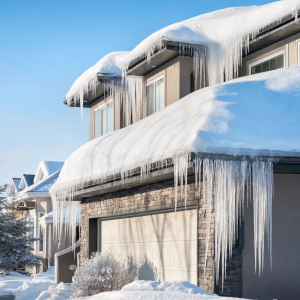
For Calgary homeowners, selecting the right spray foam insulation demands strategic consideration. You'll want to choose between open-cell (lighter, sound-dampening) or closed-cell (moisture-resistant, higher R-value) foam based on your specific needs. Calgary's extreme temperatures require insulation that can withstand significant climate fluctuations, with closed-cell foam offering superior thermal protection. Professional installation is essential, with costs ranging from $1,500 to $3,500 for an average home. Your investment yields substantial energy savings—potentially reducing heating and cooling expenses by 30-50%. The thorough guide ahead illuminates the nuanced path to ideal home insulation.
Key Takeaways
- Understand the two primary spray foam types: open-cell (more breathable and affordable) and closed-cell (superior moisture resistance and higher R-value) for optimal Calgary home insulation.
- Consider Calgary's extreme temperature fluctuations and high humidity when selecting insulation, prioritizing closed-cell foam for moisture-prone areas like basements and exterior walls.
- Evaluate long-term energy savings potential, with spray foam potentially reducing heating and cooling expenses by 30-50% through superior air-sealing and thermal performance.
- Budget for professional installation, recognizing upfront costs range from $1,500-$3,500, with potential expense recoupment through energy savings within 5-7 years.
- Choose a certified local insulation professional with specific expertise in Calgary's climate, building regulations, and spray foam installation techniques for optimal performance.
Understanding Spray Foam Insulation Types
Open-cell spray foam provides exceptional breathability and sound dampening properties. You'll find it's lighter, softer, and less dense than its closed-cell counterpart. The open cell benefits include superior acoustic performance and cost-effectiveness. With an R-value around 3.5 per inch, it's ideal for interior wall applications where moisture control isn't a critical concern.
Closed-cell spray foam, conversely, delivers remarkable structural integrity and moisture resistance. Its dense composition provides higher R-values—typically ranging from 6-7 per inch—making it a powerful insulation solution. The closed cell advantages include exceptional thermal performance, improved structural strength, and superior water-blocking capabilities. You'll appreciate its ability to create an effective air barrier and provide extra rigidity to walls and roofs.
When selecting between these options, consider your specific home requirements. Open-cell works best in interior spaces with moderate temperature variations, while closed-cell excels in areas prone to moisture or requiring maximum thermal efficiency. Your local climate, building structure, and budget will ultimately guide your choice.
Professional contractors can help you navigate these selections, ensuring you choose the most appropriate spray foam insulation for your unique home environment. Understanding these distinctions empowers you to make a confident, informed insulation decision.
Calgary Climate Insulation Considerations
Calgary's unique climatic conditions demand specialized insulation strategies that can withstand extreme temperature fluctuations and high humidity levels. When selecting spray foam insulation for your home, you'll need to take into account the region's challenging environmental characteristics that can greatly impact your building's thermal performance and structural integrity.
The dramatic temperature shifts in Calgary—from frigid winter temperatures to warm summer days—require an insulation solution that provides exceptional thermal resistance and moisture control. Closed-cell spray foam insulation emerges as the best choice, offering superior protection against temperature fluctuations and preventing moisture infiltration that can compromise your home's structural components.
Your insulation strategy must account for Calgary's specific humidity challenges. The closed-cell spray foam's dense molecular structure creates an impermeable barrier, effectively blocking moisture migration and reducing the risk of mold, mildew, and potential structural deterioration. This characteristic is particularly vital in a climate where condensation can rapidly develop within wall cavities.
Professional installers recommend focusing on key areas like exterior walls, attic spaces, and basement rim joists, where temperature and moisture variations are most pronounced. By selecting a high-performance spray foam with a high R-value, you'll optimize your home's thermal efficiency and create a more consistent indoor environment.
Moreover, the right insulation approach can greatly reduce your energy consumption, providing long-term cost savings and improved comfort. Investing in quality spray foam insulation isn't just about immediate protection—it's about creating a resilient, energy-efficient home that can withstand Calgary's demanding climate.
Installation Process and Methods
Understanding the intricacies of spray foam insulation installation is vital after recognizing its importance in climate-specific applications. Professional installation requires specialized equipment and extensive technical expertise specific to Calgary's unique environmental conditions.
You'll want to verify that trained technicians handle the application techniques with precision. Closed-cell and open-cell spray foam each demand distinct application methods, with closed-cell typically providing superior moisture barriers in Calgary's variable climate. Proper surface preparation is essential, involving thorough cleaning, moisture assessment, and temperature control to guarantee peak foam expansion and adhesion.
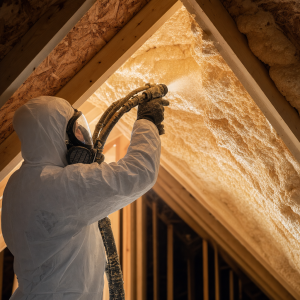
Safety precautions are non-negotiable during installation. Technicians must wear full protective equipment, including respirators, protective suits, and eye shields. Proper ventilation becomes imperative, as the chemical reactions during spray foam application can release potentially harmful vapors. You'll need to vacate the premises during installation and allow adequate curing time.
The installation process involves strategic layering and precise spray trajectory. Technicians utilize high-pressure spray equipment to verify uniform coverage, paying meticulous attention to hard-to-reach areas like attic corners, wall cavities, and rim joists. Temperature and humidity greatly influence foam performance, making professional assessment vital.
Post-installation, a thorough inspection verifies complete coverage and identifies potential gaps. Proper installation not only increases thermal efficiency but also creates an airtight seal that protects against Calgary's extreme temperature fluctuations, preventing energy loss and potential moisture-related structural issues.
Cost and Energy Savings Analysis
When considering spray foam insulation, you'll need to evaluate the significant upfront investment, which typically ranges from $1,500 to $3,500 for an average home. Your initial costs will depend on factors like square footage, type of spray foam (open-cell or closed-cell), and the complexity of your home's structure. Despite the higher initial expense, you can expect substantial long-term energy savings, with potential reductions of 15-30% on heating and cooling costs, making spray foam a financially strategic insulation choice.
Upfront Investment Breakdown
Homeowners looking to invest in spray foam insulation must carefully weigh the upfront costs against long-term energy savings potential. Your budget planning strategy should consider the two primary material options: open-cell and closed-cell spray foam, each with distinct pricing structures and performance characteristics.
Open-cell spray foam typically ranges from $0.44 to $0.65 per square foot, offering a more affordable initial investment. Closed-cell spray foam, while more expensive at $1 to $1.50 per square foot, provides superior insulation and moisture barrier properties. For an average 1,500-square-foot home, you'll likely invest between $1,500 and $3,000 for open-cell installation, or $3,000 to $4,500 for closed-cell application.
Your total project cost will depend on factors like home size, accessibility, and existing wall conditions. Professional installation guarantees peak performance and can prevent costly future repairs. While the upfront investment might seem substantial, you'll typically recoup 30-50% of your expenses through energy savings within five to seven years.
Remember that local climate conditions in Calgary greatly impact insulation effectiveness. Consulting with a certified spray foam professional can help you make the most strategic decision for your specific home environment.
Long-Term Energy Savings
Uncover considerable long-term energy savings by strategically deploying spray foam insulation in your home's thermal envelope. By selecting high-performance spray foam, you'll markedly reduce heating and cooling expenses, potentially decreasing energy consumption by 30-50% compared to traditional insulation methods.
Your investment in spray foam translates to immediate and sustained financial benefits. The superior air-sealing properties minimize thermal bridging, creating a more consistent indoor temperature and reducing HVAC system strain. This translates to lower utility bills and improved home comfort.
Environmental impact considerations further amplify spray foam's advantages. You'll decrease your carbon footprint by consuming less energy, contributing to more sustainable residential infrastructure. The material's exceptional durability means minimal maintenance requirements, ensuring long-term performance without frequent replacements.
Closed-cell and open-cell spray foam variants offer different performance characteristics. Closed-cell options provide higher R-values and moisture resistance, while open-cell versions deliver superior sound dampening. Your specific climate and home construction will determine the most appropriate selection.
Long-Term Performance and Benefits
The durability of spray foam insulation sets it apart from traditional insulation materials, delivering long-term thermal performance and energy efficiency benefits. You'll find that this groundbreaking solution provides exceptional sustainability benefits that extend far beyond initial installation. Its robust composition resists degradation, maintaining superior insulating properties for decades, which means you're investing in a long-term home improvement strategy.
When considering health safety, spray foam insulation offers significant advantages. Its seamless application creates an airtight seal that prevents moisture intrusion, reducing potential mold and mildew growth. You'll appreciate how this characteristic minimizes indoor air quality risks and protects your family's respiratory health. Furthermore, high-quality spray foam contains no harmful chemicals that off-gas after installation, ensuring a safer living environment.
Your home's structural integrity also benefits from spray foam's unique characteristics. The material's expansive nature allows it to fill even the smallest gaps and cracks, creating a thorough thermal barrier. This complete coverage reduces air leakage, improves overall building performance, and provides remarkable sound dampening qualities.
Economically, you'll recognize substantial long-term value. The initial investment in spray foam insulation translates into reduced heating and cooling expenses, potentially saving you thousands over the product's lifespan. Its exceptional R-value per inch means you're getting maximum thermal resistance with minimal material thickness, optimizing your home's energy efficiency and comfort.
Choosing the Right Insulation Professional
When selecting a spray foam insulation professional, you'll want to verify their credentials and certifications meticulously. Look for contractors with specialized training from recognized industry organizations like the Spray Polyurethane Foam Alliance (SPFA) and confirmed professional licensing in your state. Local expertise matters greatly, as professionals familiar with your region's climate and building codes can provide more targeted insulation solutions that enhance energy efficiency and performance.
Verified Professional Credentials
Selecting a qualified spray foam insulation professional requires careful verification of credentials to confirm a successful home improvement project. Certification importance cannot be overstated when evaluating potential contractors. You'll want to verify that your chosen professional holds current industry-recognized certifications from reputable organizations like the Spray Polyurethane Foam Alliance (SPFA) or the Canadian Urethane Foam Contractors Association (CUFCA).
Contractor qualifications extend beyond basic certifications. You should request and verify proof of:
- Valid business licensing
- Extensive liability insurance
- Worker's compensation coverage
- Manufacturer-specific training certificates
- Years of specialized experience in spray foam installation
Technical expertise matters considerably. Look for professionals who demonstrate thorough knowledge of different spray foam types, application techniques, and building science principles. Your ideal contractor will understand regional climate considerations specific to Calgary and can recommend appropriate insulation solutions.
Professional credentials serve as your protection against substandard work. By thoroughly investigating a contractor's background, you'll minimize potential risks and confirm your home receives high-quality insulation installation. Don't hesitate to request references and documentation that validate their professional standing in the industry.
Local Expertise Matters
Within Calgary's diverse construction landscape, local expertise distinguishes exceptional spray foam insulation professionals from average contractors. You'll want to prioritize professionals who understand the city's unique climate challenges and building regulations, ensuring your insulation performs at its best in Alberta's extreme temperature variations.
Local expertise brings critical community insights that generic contractors can't match. Calgary's specific environmental conditions—from freezing winters to summer heat fluctuations—demand specialized knowledge in spray foam application techniques. Professionals deeply rooted in the local construction community will comprehend precise thermal performance requirements specific to regional building standards.
Your chosen insulation expert should demonstrate extensive experience working within Calgary's residential and commercial sectors. Look for contractors with proven track records, local references, and certifications that validate their technical proficiency. These professionals won't just install insulation; they'll provide strategic recommendations tailored to your property's unique characteristics.
The local advantages extend beyond technical skills. Community-connected professionals understand neighborhood building trends, material performance in regional conditions, and nuanced installation approaches that enhance energy efficiency. By selecting a locally experienced spray foam insulation professional, you're investing in precise, customized solutions for your home's specific needs.
Frequently Asked Questions
Is Spray Foam Insulation Safe for People With Allergies or Respiratory Issues?
You'll want to consult professionals about safety concerns, as some spray foam types can trigger allergy symptoms. Low-VOC and hypoallergenic options exist that minimize respiratory risks, making them potentially suitable for individuals with sensitivities.
How Long Does Spray Foam Insulation Take to Fully Cure?
You'll find that spray foam's cure time varies by insulation type: open-cell typically sets within 24 hours, while closed-cell can take up to 24-48 hours. Professional installation guarantees ideal curing, giving you a perfectly insulated, comfortable home.
Can Spray Foam Insulation Be Applied Over Existing Insulation Materials?
You'll need to assess insulation compatibility carefully before applying spray foam over existing materials. Professional application methods can work, but it's essential to consult experts who'll evaluate your specific situation and guarantee ideal insulation performance.
Will Spray Foam Insulation Eliminate Moisture and Condensation Problems?
You'll find spray foam's moisture barrier properties effectively control condensation, providing superior protection against moisture infiltration. It's a professional-grade solution that seals gaps, preventing water vapor penetration and ensuring your home's insulation remains dry and efficient.
Does Spray Foam Insulation Attract or Repel Household Pests?
Spray foam's dense, seamless installation techniques create a pest-resistant barrier that'll effectively block rodents and insects. You'll find its tight seal and non-organic composition make it an inhospitable environment for pests, protecting your home's structural integrity.