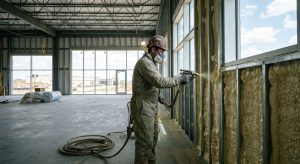
Spray foam insulation in Calgary's climate presents serious health risks you'll need to contemplate. During installation, you're exposed to harmful isocyanates that can trigger respiratory issues, asthma attacks, and chemical sensitivities. You must vacate your home for 24-72 hours post-installation, as off-gassing releases volatile organic compounds that compromise indoor air quality. Calgary's unique temperature and humidity fluctuations require precise installation timing by certified professionals to prevent ongoing chemical exposure and structural issues. Improper installation can lead to persistent off-gassing, making professional certification and proper safety protocols crucial for protecting your family's health. Understanding the full scope of safety measures will help you make informed decisions.
Key Takeaways
- Calgary's climate conditions require specialized installation timing to prevent increased off-gassing and chemical exposure risks.
- Isocyanates released during spray foam installation can trigger respiratory issues, especially in Calgary's varying seasonal temperatures.
- Homeowners must vacate properties for 24-72 hours after installation due to harmful chemical off-gassing.
- Professional certification is essential in Calgary to address unique regional challenges and prevent long-term health complications.
- Improper installations can lead to persistent indoor air quality issues and structural problems due to Calgary's humidity fluctuations.
Understanding Spray Foam Health Hazards
While spray foam insulation offers excellent thermal protection, it poses significant health risks through the release of isocyanates and other chemical compounds during and after installation. You'll need to be particularly mindful of off-gassing, which can produce a distinctive fishy odor and trigger respiratory issues in Calgary homes. During the curing process, exposure to these chemicals can lead to severe health complications, including asthma and breathing difficulties.
Proper ventilation is vital, as the EPA has identified significant dangers associated with isocyanate exposure. You're at highest risk when working with uncertified installers who may not follow safety protocols. Without established industry standards in Calgary for addressing faulty installations, you'll want to verify your contractor is properly certified and trained. The health impacts can be long-lasting, making it important to prioritize safety over cost savings.
Chemical Exposure During Installation
The installation phase of spray foam insulation presents the highest risk of chemical exposure for both installers and occupants. During application, off-gassing releases isocyanates and other harmful chemicals that can trigger severe respiratory issues and irritate your skin and eyes. You'll need to vacate your home for 24-72 hours after installation to avoid these dangerous fumes.
Improper mixing of spray foam components by inadequately trained installers can intensify health concerns, potentially making your home uninhabitable. The U.S. EPA warns that exposure to isocyanates may cause asthma and other serious complications. Since training and certification standards vary among installers, you're facing inconsistent safety practices that could increase your risk of chemical exposure. As a homeowner, it's essential to verify your installer's qualifications to minimize installation problems and protect your household's health.
Long-Term Effects on Home Safety
Although spray foam insulation offers excellent thermal performance, improperly installed applications can create severe long-term safety hazards in your home. Poor installation can trigger persistent off-gassing, compromising your indoor air quality and exposing you to harmful chemicals that may cause asthma and respiratory complications.
Your home's structural integrity could be at risk when moisture becomes trapped within improperly installed spray foam insulation, potentially leading to wood rot and deterioration. Chemical exposure to isocyanates isn't just an installation concern – it can continue affecting your health through ongoing off-gassing, causing skin irritation and eye problems. If you're facing these issues, remediation efforts are complex and costly due to limited industry standards for removal procedures. You'll need to act quickly if you notice persistent chemical odors or health symptoms, as your home could become uninhabitable without proper intervention.
Proper Installation Requirements
Preventing spray foam insulation hazards starts with stringent installation protocols and professional expertise. You'll need to hire a certified spray foam installer who understands the critical chemical reaction and curing process to minimize exposure to volatile organic compounds and other health hazards.
Before installation begins, you must verify proper environmental conditions are met, including controlled humidity levels and temperature requirements. Your installer should conduct thorough quality assurance checks throughout the process, verifying material mixing ratios and application thickness. Proper installation depends heavily on well-maintained equipment and strict adherence to manufacturer specifications.
Remember that attempting DIY installation can lead to serious consequences. Only trained professionals possess the expertise to manage the complex variables involved, from chemical handling to environmental assessments, safeguarding your home's safety and best insulation performance.
Calgary Climate Impact Considerations
When considering spray foam insulation in Calgary's dynamic climate, you'll need to account for unique regional factors that can greatly impact installation safety and performance. The city's extreme temperature fluctuations and varying humidity levels create specific challenges for foam insulation implementation that directly affect both energy efficiency and indoor air quality.
- Calgary's cold winters and warm summers demand precise installation timing to prevent off-gassing issues and guarantee peak thermal performance
- High-quality certified installers must account for seasonal humidity variations to prevent moisture entrapment, which can lead to mold growth
- Temperature swings between seasons require careful consideration of expansion and contraction rates to maintain long-term structural integrity
Your health and safety depend on proper installation methods that specifically address Calgary climate conditions, making professional certification and expertise non-negotiable factors in your insulation project.
Alternative Insulation Solutions
Three proven alternatives to spray foam insulation offer superior health benefits while maintaining ideal thermal performance. You'll find cellulose fiber and wool insulation delivering exceptional R-values and acoustic ratings without chemical exposure risks. These non-toxic options greatly improve indoor air quality, making them ideal for children's rooms and sensitive areas.
For specific applications, rigid insulation panels made from polystyrene provide high thermal resistance while eliminating health concerns. You can also investigate environmentally friendly alternatives like wood fiber, which combines effective insulation with sustainable building practices. The emergence of plant-based and grass-based materials offers further sustainable options that don't compromise your health. When selecting insulation, prioritize these chemical-free alternatives to protect both your family's well-being and the environment while achieving ideal thermal performance.