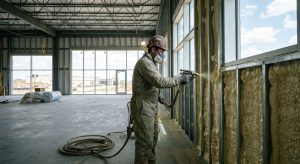
When undertaking DIY spray foam insulation projects, you'll need thorough safety measures to protect against chemical exposure and respiratory hazards. Don your full personal protective equipment, including safety goggles, disposable gloves, full-body coveralls, and a proper respirator with appropriate filters. You must guarantee adequate ventilation with 4-5 air changes per hour and keep a fire extinguisher within immediate reach. Follow manufacturer instructions carefully for surface preparation and layered application techniques. Review Material Safety Data Sheets before handling any chemical components. Understanding proper safety protocols will make the difference between a hazardous situation and a successful installation.
Key Takeaways
- Wear complete personal protective equipment including safety goggles, gloves, coveralls, and a proper respirator before handling spray foam materials.
- Maintain adequate ventilation with 4-5 air changes per hour and use exhaust fans to direct fumes outside during application.
- Review Material Safety Data Sheets and manufacturer instructions thoroughly before starting the project for specific safety requirements.
- Apply foam in thin, even layers while following temperature guidelines, and allow 24 hours curing time before occupying space.
- Keep a fire extinguisher readily available and exit immediately if respiratory issues occur during the application process.
Essential Safety Equipment and Gear
Every DIY spray foam insulation project requires a detailed set of personal protective equipment to guarantee your safety during application. You'll need to wear extensive protective gear, including safety goggles to shield your eyes, disposable gloves to prevent skin irritation, and full-body coveralls for complete coverage.
Your respiratory protection is vital, so you must wear appropriate respirators with proper filters to guard against harmful fumes during the application process. Don't forget to establish adequate ventilation in your workspace by opening windows and using fans to disperse VOCs. Since spray foam remains flammable until it's fully cured, you'll need to keep a fire extinguisher within immediate reach. These safety measures aren't optional – they're fundamental requirements to protect yourself from chemical exposure and potential hazards throughout the installation process.
Proper Workspace Ventilation Requirements
While spray foam insulation offers excellent thermal protection, proper ventilation of your workspace stands as a critical safety requirement during the application process. You'll need to implement specific safety precautions to minimize exposure to harmful fumes and airborne irritants during your DIY spray foam insulation project.
Maintain a minimum of 4-5 air changes per hour in your working environment by opening windows and strategically positioning exhaust fans to direct fumes outside. This air circulation is fundamental for diluting and removing potentially hazardous VOCs. You should also guarantee your workspace remains well-ventilated throughout the entire application process. To protect yourself from prolonged exposure to these substances, take regular breaks in a well-ventilated space away from the application area. These measures create a safer environment for completing your insulation project.
Health Risks and Prevention
Understanding the serious health implications of spray foam insulation requires careful attention to prevention protocols before beginning your project. You'll need to protect yourself against both immediate and prolonged health risks associated with inhalation of fumes and skin contact.
- Maintain adequate ventilation throughout the application process and conduct regular VOC emissions testing to guarantee a safe working environment
- Wear complete protective gear, including gloves, coveralls, and respiratory protection to prevent exposure to harmful chemicals
- Exit the area immediately if you experience respiratory issues such as coughing or wheezing, and seek fresh air
- Allow the foam to cure for a full 24 hours before reoccupying the space to avoid exposure to off-gassing fumes
These preventive measures are crucial for protecting yourself against skin burns, respiratory complications, and other potentially serious health concerns while working with spray foam insulation.
Safe Application Techniques
Building upon proper safety protocols, mastering safe application techniques directly impacts the success and safety of your DIY spray foam project. You'll need to guarantee proper airflow and ventilation before starting the application process. Always wear your personal protective equipment, including respirators, gloves, and safety goggles throughout the entire procedure.
| Action | Safety Consideration |
|---|---|
| Ventilation | Maintain proper airflow |
| Surface Prep | Clean and dry surfaces |
| Protective Gear | Wear full PPE setup |
| Application | Apply thin, even layers |
| Temperature | Follow manufacturer specs |
For peak insulation effectiveness, you'll need to apply the foam in thin layers while maintaining even coverage. Don't rush the process – follow the manufacturer's instructions carefully regarding temperature requirements and curing times. Keep in mind that proper surface preparation guarantees better adhesion and reduces potential safety hazards during application.
Handling Chemical Components
Since spray foam insulation involves potentially hazardous chemicals, proper handling of its components is crucial for your safety and project success. You'll need to implement strict safety protocols and follow proper handling practices to minimize exposure to VOCs and other hazards.
- Always wear complete protective gear, including gloves, goggles, and a respirator, before handling chemical components
- Check your workspace's ventilation system to guarantee adequate air circulation during application
- Review the Material Safety Data Sheets for detailed safety tips and handling requirements specific to your products
- Verify expiration dates on all components before use, and store and dispose of materials according to local regulations
Remember that proper chemical handling isn't just about personal safety – it's a regulatory requirement. Keep all components away from heat sources and secure them where children and pets can't access them.
Post-Installation Safety Measures
After completing the chemical application phase, your focus must shift to maintaining safety during the critical curing period. You'll need to implement post-installation safety measures to guarantee a secure environment. Keep the area well-ventilated for 24-48 hours to allow residual fumes to dissipate properly.
| Safety Action | Time Frame |
|---|---|
| Ventilation | 24-48 hours |
| Foam Inspection | After curing |
| Cleanup | Immediately |
| Air Testing | Before occupancy |
Once the foam has cured, inspect thoroughly for missed spots or gaps requiring supplementary attention. Remove protective coverings promptly and clean your workspace to prevent exposure to uncured residues. You'll need to use air quality monitors to check volatile organic compounds levels before reoccupying the space. Don't forget to wash hands thoroughly after handling any materials to prevent skin irritation.
Emergency Response Procedures
When working with spray foam insulation, having immediate access to emergency response procedures can mean the difference between a minor incident and a serious injury. Keep your workspace organized with crucial safety equipment and familiarize yourself with the Material Safety Data Sheet for your specific product.
- If skin contact occurs, remove contaminated clothing immediately and wash the affected area with soap and water for 15 minutes to prevent irritation.
- Move to fresh air and seek medical attention if you experience respiratory symptoms from fume inhalation.
- Maintain a fire extinguisher rated for flammable materials within reach and know how to operate it.
- Keep a primary aid kit and emergency contact information readily accessible to address potential health issues promptly.
These protocols guarantee you're prepared to handle emergencies effectively while minimizing risks during installation.