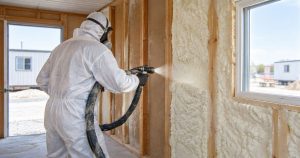
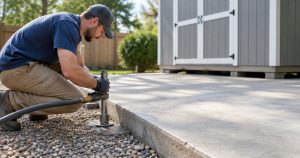
To safely handle spray foam insulation, you'll need to wear NIOSH-approved respirators, full-face shields, chemical-resistant gloves, and protective coveralls. You must maintain proper mechanical ventilation and establish containment zones during application. Store isocyanates and polyol resins at manufacturer-specified temperatures in sealed containers, with spill kits nearby. You'll need proper certification and training before handling these materials, including emergency response protocols. After application, follow reoccupancy times (1-24 hours) and maintain active ventilation. These fundamental safety measures represent just the baseline of thorough spray foam handling protocols.
Key Takeaways
- Always wear complete PPE including a NIOSH-approved respirator, goggles, chemical-resistant gloves, and protective clothing when handling spray foam materials.
- Ensure proper mechanical ventilation during application and maintain airflow for at least 24 hours after installation is complete.
- Store chemicals at manufacturer-recommended temperatures and keep containers tightly sealed when not in use.
- Complete mandatory safety training and certification programs before working with spray polyurethane foam materials.
- Follow manufacturer-specified reoccupancy times and thoroughly inspect for uncured foam before allowing access to treated areas.
Personal Protective Equipment Requirements
When working with spray foam insulation, proper personal protective equipment forms the foundation of worker safety. You'll need to wear a NIOSH-approved respirator specifically designed for organic vapors and particulates to protect your respiratory system. Eye protection is essential – you must use full-face shields or goggles to guard against chemical splashes and harmful vapors.
Your personal protective equipment (PPE) setup should include chemical-resistant gloves made from nitrile or neoprene to prevent direct contact with adhesive materials. Full-coverage clothing, preferably disposable coveralls, will shield your skin from chemical exposure. Don't forget to wear chemical-resistant boots to protect your feet from potential spills. All PPE components must fit properly and be regularly inspected to maintain their protective qualities during spray foam insulation application.
Workspace Preparation and Ventilation
Before initiating spray foam installation, proper workspace preparation and ventilation serve as critical safety measures that protect both applicators and building occupants. You'll need to establish mechanical ventilation systems to maintain ideal air quality while managing hazardous chemicals used during application. Create physical barriers around your work area and post warning signs to control access, ensuring only personnel with proper protective gear enter the space.
- Monitor air quality continuously throughout the installation process, adjusting ventilation as needed
- Conduct thorough surface preparation, removing all debris that could compromise foam adhesion
- Set up containment zones with clear entry/exit points to prevent unauthorized access
These safety measures form the foundation of a controlled environment where you can safely apply spray foam insulation while maintaining compliance with manufacturer specifications and workplace safety regulations.
Chemical Storage and Handling
Proper chemical storage and handling protocols directly complement your workspace safety preparations. You'll need to maintain strict temperature control for isocyanates and polyol resins according to Safety Data Sheets specifications.
| Chemical Type | Storage Requirements | Protective Gear |
|---|---|---|
| Isocyanates | Manufacturer temp specs | Chemical-resistant gloves |
| Polyol Resins | Sealed containers | Face shield |
| Mixed Components | Pressure-free vessels | Respirator |
| Waste Materials | Separate containment | Full body suit |
When handling these chemicals, you'll need to guarantee containers remain tightly sealed when not in use. Keep spill control kits readily accessible and maintain proper training for emergency response procedures. Before performing maintenance on any chemical containers, you must eliminate residual pressure to prevent accidental releases. Following these proper handling guidelines helps prevent hazardous reactions and maintains workplace safety standards.
Training and Certification Standards
Safety compliance in spray foam operations demands thorough training and certification protocols. You'll need to complete mandatory health and safety training before working with spray polyurethane foam (SPF). The Spray Polyurethane Foam Alliance (SPFA) certification programs provide crucial knowledge for safe installation and handling procedures.
Key training components you must master include:
- Proper personal protective equipment (PPE) selection and usage
- Emergency response procedures for chemical exposure incidents
- Latest industry safety standards and protocols
You're required to maintain detailed records of your certifications and training completion. Regular refresher courses guarantee you stay current with evolving safety practices. This systematic approach to training creates accountability and promotes a safer work environment for all SPF contractors and workers involved in installation processes.
Emergency Response Protocols
When implementing spray foam operations, you'll need thorough emergency response protocols to protect workers and mitigate potential hazards. Your workspace must include strategically placed primary aid kits and safety showers for immediate response to chemical exposure. Confirm you've established a clear emergency evacuation plan and incident reporting system.
| Response Element | Location | Purpose |
|---|---|---|
| Primary Aid Kits | Entry Points | Immediate injury treatment |
| Safety Showers | Work Area | Chemical exposure decontamination |
| Eyewash Stations | Near Chemical Storage | Eye exposure treatment |
| Emergency Exits | Multiple Access Points | Quick evacuation routes |
| Protective Gear | Individual Stations | Personal protection |
Conduct regular emergency drills to maintain team readiness and verify all safety equipment remains functional. You'll need to document and review any incidents to strengthen preventive measures and improve response effectiveness.
Post-Application Safety Measures
Following the completion of spray foam installation, maintaining strict post-application protocols becomes vital for occupant safety and ideal foam performance. You'll need to adhere to manufacturer-specified reoccupancy times, typically ranging from 1 to 24 hours, and guarantee proper ventilation throughout this period to minimize exposure to VOCs.
- Review the Safety Data Sheets for your specific spray foam product to understand potential health risks and required protective gear during post-installation inspection
- Maintain active ventilation for a minimum of 24 hours after application, even if the initial cure period is shorter
- Conduct a thorough inspection for overspray and uncured foam before allowing building occupants to return
Before permitting reentry, verify that all safety measures have been completed and documented. This systematic approach helps protect occupants while confirming the spray foam installation achieves its intended performance characteristics.