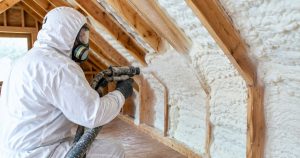
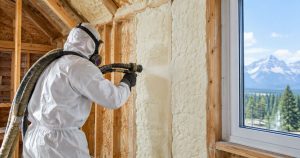
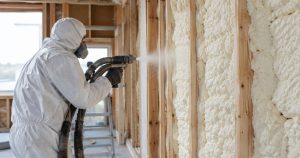
Professional spray foam insulation reduces your environmental impact by 45% compared to DIY methods. You'll generate 20% less material waste through expert application, while achieving maximum R-values of 5.1-6 per inch. DIY installations often result in ineffective coverage and gaps, leading to 50% energy losses and increased carbon emissions over time. Professional installations save you up to £315 annually on energy bills and guarantee proper disposal of materials through regulated recycling systems. When you factor in waste reduction, energy efficiency, and long-term performance, professional installation delivers superior environmental benefits that extend well beyond the initial investment.
Key Takeaways
- Professional installations generate 20% less material waste than DIY projects due to precise application and expert techniques.
- DIY foam installations can reduce energy efficiency by 10-30% due to poor coverage and application errors.
- Professional installations achieve optimal R-values of 5.1-6 per inch, maximizing long-term energy savings and reducing carbon emissions.
- Proper professional disposal methods minimize landfill impact, while DIY waste often ends up in landfills.
- Professional installations can save up to £315 annually in energy costs, offsetting initial expenses through environmental benefits.
Carbon Footprint Analysis
While both DIY and professional spray foam insulation methods impact the environment, professional installations typically result in a lower carbon footprint. Professional installation guarantees ideal air sealing and insulation efficiency, with closed-cell foam's high R-value maximizing energy savings. The production process emits approximately 4 kg of CO2 per kg of material, making proper application vital.
You'll find that DIY spray foam projects often lead to waste and improper installation, potentially increasing your home's carbon footprint through reduced efficiency. In contrast, professionals use eco-friendly materials and precise application techniques that minimize waste. The environmental impact of professional installation is offset by significant long-term energy savings, potentially reaching £315 annually. This combination of proper installation and improved efficiency makes professional spray foam insulation the more environmentally responsible choice for your home.
Material Waste Comparison
Although DIY spray foam projects may seem cost-effective initially, they typically generate up to 20% material waste through improper application, nozzle clogs, and incorrect mixing ratios. This excess material waste impacts both your foam insulation costs and the environment.
| Aspect | DIY vs Professional |
|---|---|
| Application Precision | DIY: Low accuracy / Pro: High precision |
| Material Waste | DIY: Up to 20% / Pro: Minimal waste |
| Disposal Methods | DIY: Often landfill / Pro: Recycling systems |
| Cost Efficiency | DIY: Hidden waste costs / Pro: Optimized usage |
| Environmental Impact | DIY: Higher impact / Pro: Managed disposal |
You'll find that professional installation considerably reduces material waste through specialized equipment and proper disposal practices. Their expertise in energy efficiency means you won't need to purchase extra materials to correct mistakes, while their recycling protocols guarantee minimal environmental impact from excess materials.
Energy Efficiency Performance
Professional spray foam installation delivers superior energy efficiency outcomes, with homeowners experiencing up to 45% reduction in energy bills compared to traditional insulation methods. You'll benefit from closed-cell spray foam's impressive R-value of 5.1-6 per inch, which enhances your home's energy performance through superior air sealing.
While DIY installations might seem cost-effective initially, they often compromise proper insulation coverage, reducing potential energy savings by 10-30%. Professional installation guarantees precise application throughout your home's envelope, eliminating gaps and inconsistencies that can undermine energy efficiency. You'll find that expert installation optimizes HVAC performance and addresses critical environmental concerns through reduced energy consumption. When you consider the long-term energy savings, professional spray foam insulation's higher upfront costs are offset by sustained performance and improved home energy management.
Installation Quality Impact
Since installation quality directly affects insulation performance, expert application delivers measurable advantages over DIY attempts. When you choose professional installation of spray foam insulation, you'll benefit from precise application techniques that optimize energy efficiency and minimize air leaks. DIY installations can result in up to 50% energy losses due to seemingly minor mistakes in application.
Professional-grade materials and expert knowledge guarantee your insulation meets building codes while improving environmental benefits. You'll find that professionals identify and address potential issues before installation, preventing future complications that could compromise insulation effectiveness. Their expertise in proper installation techniques and access to higher quality materials greatly improve the longevity and performance of your insulation system. This attention to installation quality ultimately delivers superior results compared to DIY approaches.
Long-Term Environmental Effects
When considering long-term environmental impact, proper spray foam installation makes a critical difference in your building's carbon footprint. Professional installation guarantees ideal energy efficiency through precise application and higher R-value materials, while DIY kits often result in gaps and improper application that raise carbon emissions over time.
You'll find that professional installations offer superior long-term performance, using materials with lower environmental impact than typical DIY options. While DIY kits might seem cost-effective initially, they can lead to higher energy bills and increased environmental waste due to incorrect disposal. Professionals follow strict disposal regulations, minimizing landfill impact. The data shows that investing in professional installation pays off environmentally – the improved durability and consistent performance of professionally installed spray foam greatly reduce your building's carbon footprint over its lifetime.